The Enduring Allure: Benches as Sculptural Invitations in the Verdant Realm
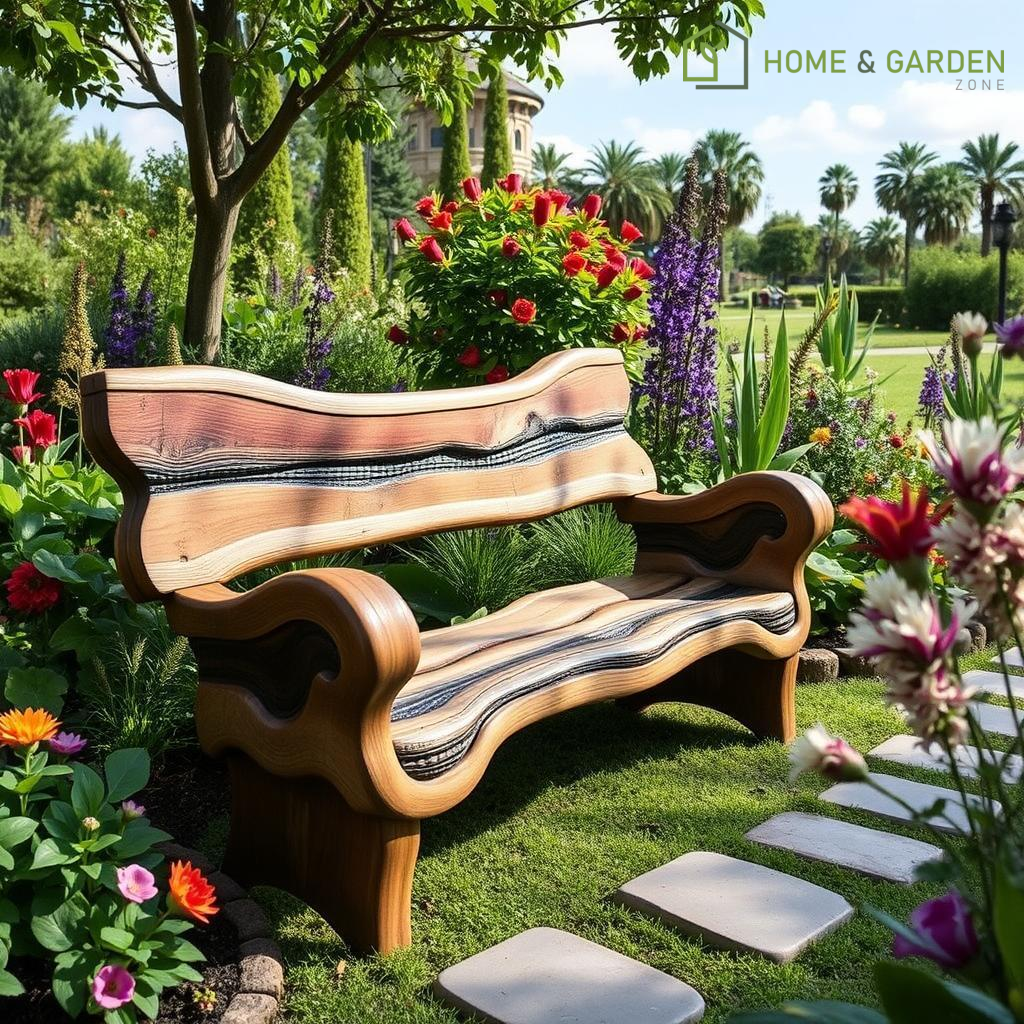
There exists a singular fascination with the garden bench, an object that transcends mere utility to become a silent invitation, a sculptural anchor in the natural world. For many, a cherished bench represents an enduring investment, a testament to thoughtful design and the profound human desire for a moment of repose amidst beauty. Indeed, a truly remarkable bench elevates a garden, transforming it from a mere collection of plants into an intentional space for contemplation and connection.
The Bench as an Architectural Statement
Beyond its primary function, a garden bench serves as a powerful architectural element, capable of defining vistas, accentuating pathways, and providing a focal point within the landscape. Its form, scale, and material choices contribute significantly to the overall aesthetic coherence of a garden. Whether a rustic timber seat nestled in a wild garden or a sleek, minimalist metal design in a contemporary setting, the bench is an intentional design choice, shaping the viewer's experience.
Craftsmanship and Materiality: Pillars of Enduring Beauty
The longevity and inherent beauty of a garden bench are deeply rooted in its craftsmanship and the materials from which it is forged. Classic choices like seasoned teak or cedar offer natural resistance to the elements, developing a graceful patina over time. Wrought iron, with its intricate detailing, provides a timeless elegance, while stone and concrete benches offer a robust, sculptural presence that melds seamlessly with natural rockeries. The careful selection of materials not only dictates durability but also profoundly influences the bench's contribution to the garden's character and charm.
Strategic Placement: Crafting an Invitation
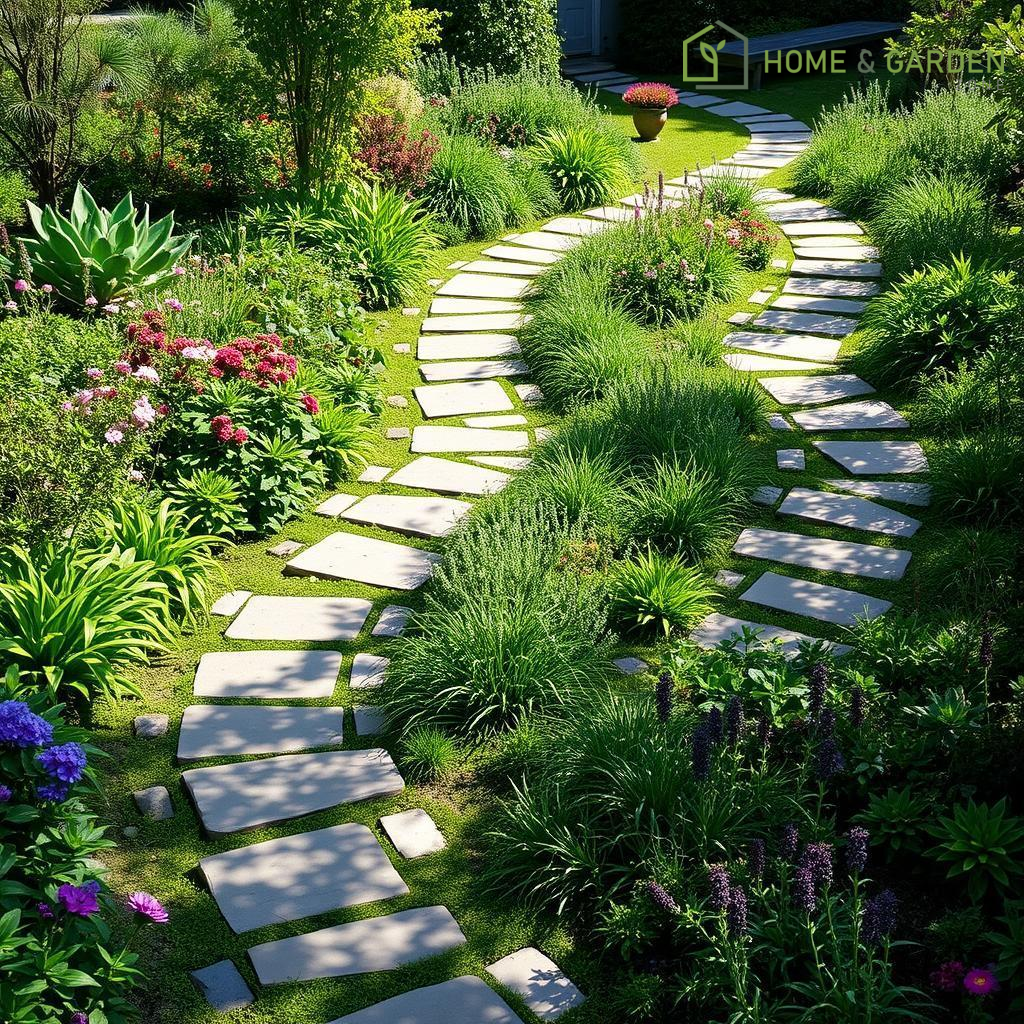
The true art of incorporating a garden bench lies in its strategic placement. A bench positioned to capture the morning sun, offer a panoramic view, or provide a tranquil retreat beneath a sheltering canopy transforms a simple piece of furniture into an inviting sanctuary. Placed at a juncture in a winding path, it encourages pausing and reflection; set against a backdrop of vibrant foliage, it becomes a frame for natural artistry. These thoughtfully created moments of rest encourage deeper engagement with the garden, inviting visitors to slow down, observe, and simply be.
Summary
In essence, the garden bench embodies a symbiotic relationship between design and experience. It is an object that, when chosen with discernment and placed with intention, not only enhances the visual tapestry of a garden but fundamentally alters how humans interact with and appreciate their outdoor environments. A well-conceived bench is more than just seating; it is an enduring invitation to beauty, tranquility, and connection within the natural world.
Resources
Details
Author


Latest articles




 }})
You can now watch HBO Max for $10
There exists a singular fascination with the garden bench, an object that transcends mere utility to become a silent invitation, a sculptural anchor in the natural world. For many, a cherished bench represents an enduring investment, a testament to thoughtful design and the profound human desire for a moment of repose amidst beauty. Indeed, a truly remarkable bench elevates a garden, transforming it from a mere collection of plants into an intentional space for contemplation and connection.
The Bench as an Architectural Statement
Beyond its primary function, a garden bench serves as a powerful architectural element, capable of defining vistas, accentuating pathways, and providing a focal point within the landscape. Its form, scale, and material choices contribute significantly to the overall aesthetic coherence of a garden. Whether a rustic timber seat nestled in a wild garden or a sleek, minimalist metal design in a contemporary setting, the bench is an intentional design choice, shaping the viewer's experience.
Craftsmanship and Materiality: Pillars of Enduring Beauty
The longevity and inherent beauty of a garden bench are deeply rooted in its craftsmanship and the materials from which it is forged. Classic choices like seasoned teak or cedar offer natural resistance to the elements, developing a graceful patina over time. Wrought iron, with its intricate detailing, provides a timeless elegance, while stone and concrete benches offer a robust, sculptural presence that melds seamlessly with natural rockeries. The careful selection of materials not only dictates durability but also profoundly influences the bench's contribution to the garden's character and charm.
Strategic Placement: Crafting an Invitation
The true art of incorporating a garden bench lies in its strategic placement. A bench positioned to capture the morning sun, offer a panoramic view, or provide a tranquil retreat beneath a sheltering canopy transforms a simple piece of furniture into an inviting sanctuary. Placed at a juncture in a winding path, it encourages pausing and reflection; set against a backdrop of vibrant foliage, it becomes a frame for natural artistry. These thoughtfully created moments of rest encourage deeper engagement with the garden, inviting visitors to slow down, observe, and simply be.
Summary
In essence, the garden bench embodies a symbiotic relationship between design and experience. It is an object that, when chosen with discernment and placed with intention, not only enhances the visual tapestry of a garden but fundamentally alters how humans interact with and appreciate their outdoor environments. A well-conceived bench is more than just seating; it is an enduring invitation to beauty, tranquility, and connection within the natural world.
Resources
Latest articles
You can now watch HBO Max for $10
Similar posts

This is a page that only logged-in people can visit. Don't you feel special? Try clicking on a button below to do some things you can't do when you're logged out.
Example modal
At your leisure, please peruse this excerpt from a whale of a tale.
Chapter 1: Loomings.
Call me Ishmael. Some years ago—never mind how long precisely—having little or no money in my purse, and nothing particular to interest me on shore, I thought I would sail about a little and see the watery part of the world. It is a way I have of driving off the spleen and regulating the circulation. Whenever I find myself growing grim about the mouth; whenever it is a damp, drizzly November in my soul; whenever I find myself involuntarily pausing before coffin warehouses, and bringing up the rear of every funeral I meet; and especially whenever my hypos get such an upper hand of me, that it requires a strong moral principle to prevent me from deliberately stepping into the street, and methodically knocking people's hats off—then, I account it high time to get to sea as soon as I can. This is my substitute for pistol and ball. With a philosophical flourish Cato throws himself upon his sword; I quietly take to the ship. There is nothing surprising in this. If they but knew it, almost all men in their degree, some time or other, cherish very nearly the same feelings towards the ocean with me.
Comment