The Experiential Paradox: When Art Exhibitions Become Media Formats
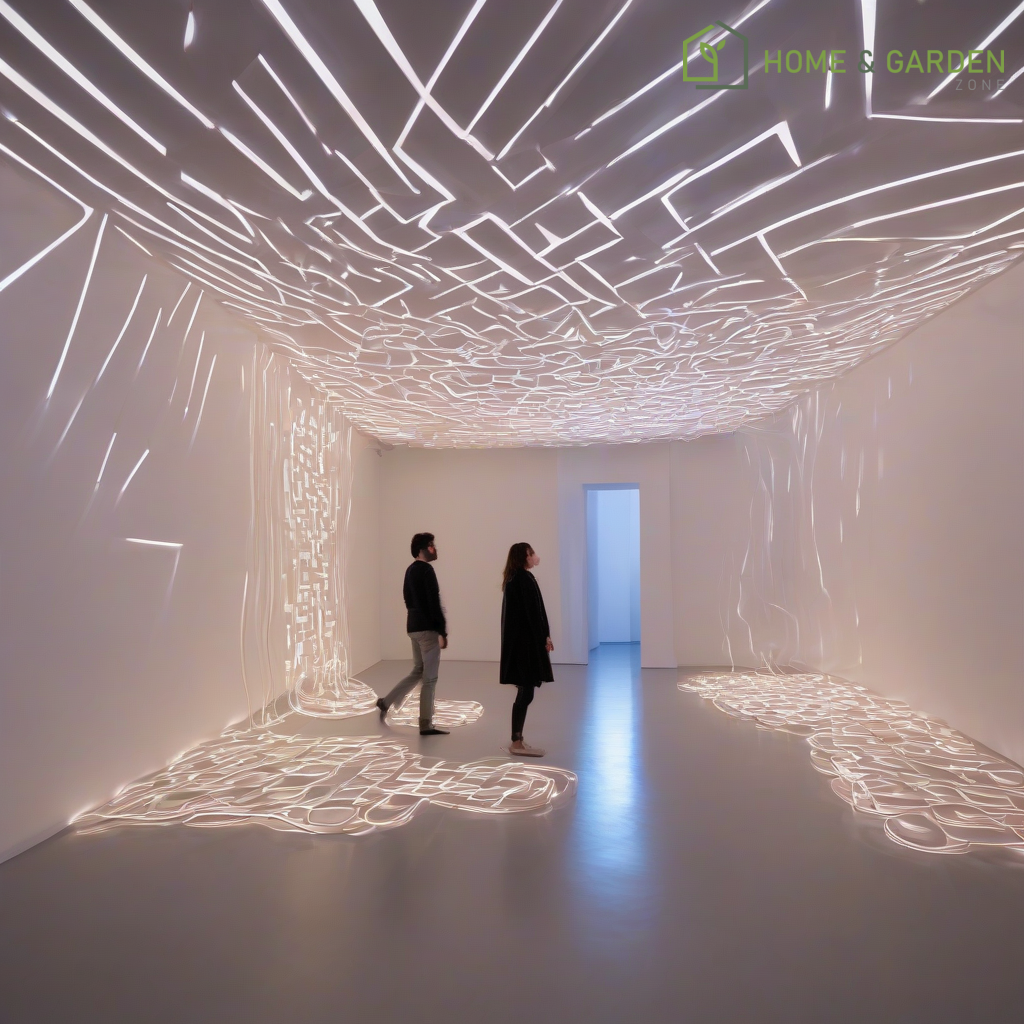
The landscape of art exhibitions is undergoing a profound transformation. A new generation of curatorial approaches is consciously adapting the museum experience to mirror the ubiquitous consumption patterns of digital media. This shift, driven by a desire for broader engagement and relevancy in a hyper-connected world, raises critical questions about the fundamental nature of the art experience itself and the artwork's place within these evolving "formats."
The Evolution of the Exhibition as a Format
Traditional museum exhibitions, often characterized by contemplative viewing and scholarly presentation, are increasingly being supplanted or complemented by immersive, interactive, and often highly shareable experiences. These new exhibition models borrow heavily from entertainment and digital content strategies, prioritizing spectacle, narrative flow, and personalized engagement. Think of the proliferation of "infinity rooms," large-scale digital projections that envelop viewers, or pop-up art experiences designed for viral social media sharing.
This re-formatting is not merely about incorporating technology; it's about re-conceptualizing the visitor's journey. Entryways become portals, galleries become stages, and the art object, at times, transforms into a component of a larger, curated sensory event. The objective often appears to be less about deep, analytical engagement with an individual piece and more about delivering a memorable, multi-sensory "experience" that resonates with how audiences consume music, video, and interactive digital content daily.
Impact on the Art Experience
Shifting Focus from Object to Sensation
When exhibitions prioritize format over the inherent qualities of the artwork, the experience of art can become diluted. The original intent, materiality, and historical context of a piece may recede into the background, overshadowed by dazzling effects or interactive elements. Visitors might leave with a strong impression of the overall environment but a diminished memory or understanding of specific artworks.
The Spectacle and Authenticity Dilemma
The emphasis on spectacle risks commodifying art, treating it as a consumable product rather than a subject for contemplation or intellectual discourse. While accessibility can be enhanced, there's a delicate balance to strike. The authenticity of encountering an original masterpiece, with its unique aura and history, can be challenged when it's integrated into a heavily formatted, digitally mediated environment designed for mass appeal. The "Instagrammable moment" often becomes the primary objective, potentially reducing complex artistic expressions to mere backdrops for selfies.
Engagement vs. Superficiality
Proponents argue that these new formats democratize art, drawing in diverse audiences who might otherwise find traditional museums intimidating or unengaging. The interactive elements can foster a sense of participation and personal connection. However, a critical analysis reveals a potential trade-off: is the enhanced engagement truly deeper, or is it merely more superficial, prioritizing fleeting excitement over sustained reflection and intellectual curiosity?
Conclusion
The transformation of art exhibitions into media formats is a complex phenomenon with both promising opportunities and significant challenges. While it offers novel pathways for audience engagement and positions cultural institutions more competitively in the attention economy, it necessitates a rigorous re-evaluation of curatorial practice. The core question remains: how can museums embrace innovation and leverage new technologies to create compelling experiences without inadvertently diminishing the intrinsic value, intellectual integrity, and profound contemplative power of the artworks they house? The future of art exhibition lies in navigating this delicate balance, ensuring that the format serves the art, rather than eclipsing it.
Resources
- American Alliance of Museums (aam-us.org)
- The Art Newspaper (theartnewspaper.com)
- MuseumNext (museumnext.com)
Details
Author


Latest articles

 }})
You can now watch HBO Max for $10
The landscape of art exhibitions is undergoing a profound transformation. A new generation of curatorial approaches is consciously adapting the museum experience to mirror the ubiquitous consumption patterns of digital media. This shift, driven by a desire for broader engagement and relevancy in a hyper-connected world, raises critical questions about the fundamental nature of the art experience itself and the artwork's place within these evolving "formats."
The Evolution of the Exhibition as a Format
Traditional museum exhibitions, often characterized by contemplative viewing and scholarly presentation, are increasingly being supplanted or complemented by immersive, interactive, and often highly shareable experiences. These new exhibition models borrow heavily from entertainment and digital content strategies, prioritizing spectacle, narrative flow, and personalized engagement. Think of the proliferation of "infinity rooms," large-scale digital projections that envelop viewers, or pop-up art experiences designed for viral social media sharing.
This re-formatting is not merely about incorporating technology; it's about re-conceptualizing the visitor's journey. Entryways become portals, galleries become stages, and the art object, at times, transforms into a component of a larger, curated sensory event. The objective often appears to be less about deep, analytical engagement with an individual piece and more about delivering a memorable, multi-sensory "experience" that resonates with how audiences consume music, video, and interactive digital content daily.
Impact on the Art Experience
Shifting Focus from Object to Sensation
When exhibitions prioritize format over the inherent qualities of the artwork, the experience of art can become diluted. The original intent, materiality, and historical context of a piece may recede into the background, overshadowed by dazzling effects or interactive elements. Visitors might leave with a strong impression of the overall environment but a diminished memory or understanding of specific artworks.
The Spectacle and Authenticity Dilemma
The emphasis on spectacle risks commodifying art, treating it as a consumable product rather than a subject for contemplation or intellectual discourse. While accessibility can be enhanced, there's a delicate balance to strike. The authenticity of encountering an original masterpiece, with its unique aura and history, can be challenged when it's integrated into a heavily formatted, digitally mediated environment designed for mass appeal. The "Instagrammable moment" often becomes the primary objective, potentially reducing complex artistic expressions to mere backdrops for selfies.
Engagement vs. Superficiality
Proponents argue that these new formats democratize art, drawing in diverse audiences who might otherwise find traditional museums intimidating or unengaging. The interactive elements can foster a sense of participation and personal connection. However, a critical analysis reveals a potential trade-off: is the enhanced engagement truly deeper, or is it merely more superficial, prioritizing fleeting excitement over sustained reflection and intellectual curiosity?
Conclusion
The transformation of art exhibitions into media formats is a complex phenomenon with both promising opportunities and significant challenges. While it offers novel pathways for audience engagement and positions cultural institutions more competitively in the attention economy, it necessitates a rigorous re-evaluation of curatorial practice. The core question remains: how can museums embrace innovation and leverage new technologies to create compelling experiences without inadvertently diminishing the intrinsic value, intellectual integrity, and profound contemplative power of the artworks they house? The future of art exhibition lies in navigating this delicate balance, ensuring that the format serves the art, rather than eclipsing it.
Resources
- American Alliance of Museums (aam-us.org)
- The Art Newspaper (theartnewspaper.com)
- MuseumNext (museumnext.com)
Latest articles
You can now watch HBO Max for $10
Similar posts



This is a page that only logged-in people can visit. Don't you feel special? Try clicking on a button below to do some things you can't do when you're logged out.
Example modal
At your leisure, please peruse this excerpt from a whale of a tale.
Chapter 1: Loomings.
Call me Ishmael. Some years ago—never mind how long precisely—having little or no money in my purse, and nothing particular to interest me on shore, I thought I would sail about a little and see the watery part of the world. It is a way I have of driving off the spleen and regulating the circulation. Whenever I find myself growing grim about the mouth; whenever it is a damp, drizzly November in my soul; whenever I find myself involuntarily pausing before coffin warehouses, and bringing up the rear of every funeral I meet; and especially whenever my hypos get such an upper hand of me, that it requires a strong moral principle to prevent me from deliberately stepping into the street, and methodically knocking people's hats off—then, I account it high time to get to sea as soon as I can. This is my substitute for pistol and ball. With a philosophical flourish Cato throws himself upon his sword; I quietly take to the ship. There is nothing surprising in this. If they but knew it, almost all men in their degree, some time or other, cherish very nearly the same feelings towards the ocean with me.
Comment