FELT Architects Redefine Ageing-in-Place with a Dignified, Evolving Home in Ghent
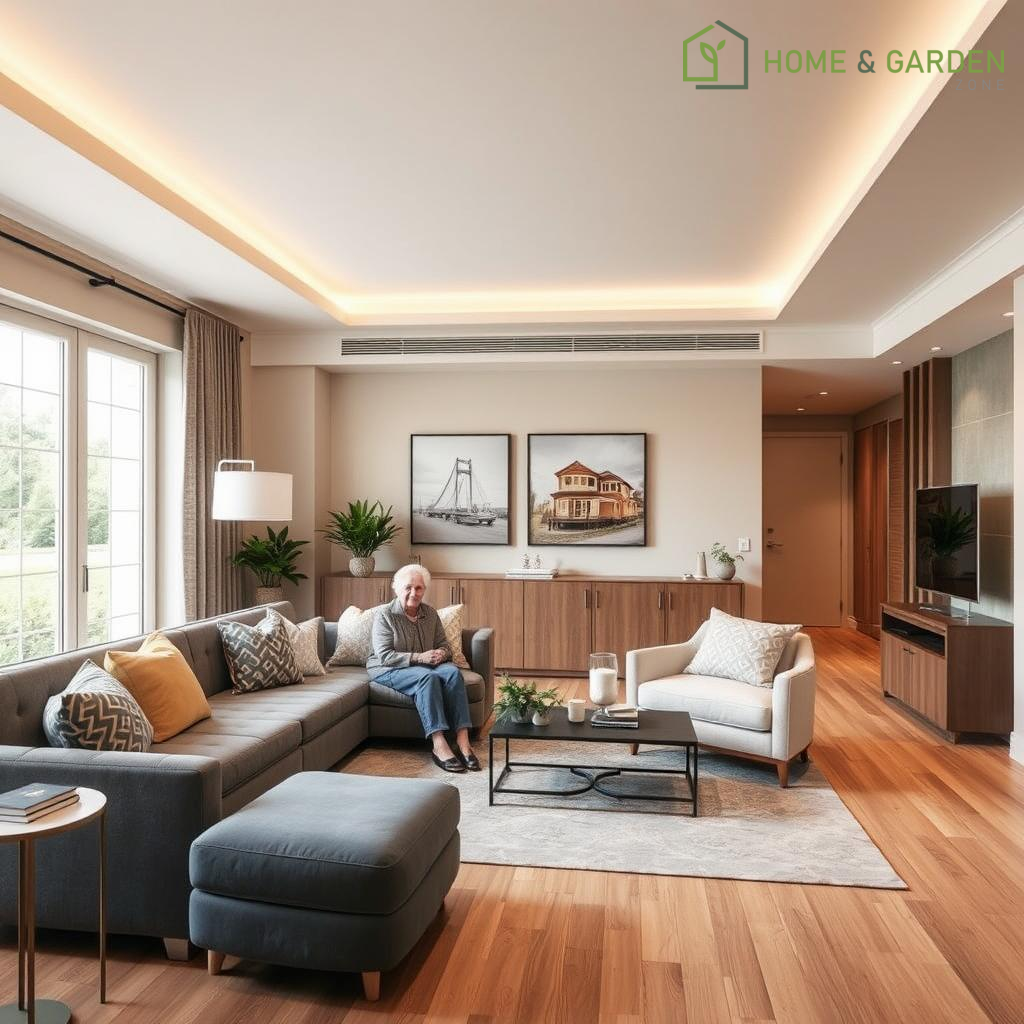
Redefining Ageing-in-Place: Beyond Sterile Accessibility
In a significant departure from conventional elder care architecture, FELT Architects' 'Home for Life' in Ghent, Belgium, presents a compelling vision for ageing-in-place. This groundbreaking residence boldly rejects the often-sterile and institutional aesthetics typically associated with accessible design, instead prioritizing a deeply humane, warm, and dignified spatial experience that is meticulously crafted to evolve alongside its inhabitants.
The prevailing paradigm for homes designed for later life frequently emphasizes functional accessibility to the exclusion of emotional and aesthetic comfort. Ramps, grab bars, and wide doorways, while essential, can inadvertently strip a living space of its character, transforming it into a clinical environment. FELT's approach challenges this reductionist view, demonstrating that true accessibility encompasses not just physical ease but also psychological well-being and a continued connection to one's personal identity and history.
The Ghent Residence: A Tapestry of Warmth and Adaptability
The core philosophy behind the Ghent project is to create a dwelling that feels undeniably like a home, not an institution. This is achieved through a meticulous selection of materials, a thoughtful interplay of light and shadow, and the creation of varied spatial experiences. Natural wood, tactile textures, and a harmonious color palette contribute to an atmosphere of calm and comfort. Rather than overtly clinical features, accessibility elements are seamlessly integrated, becoming invisible supports that enhance, rather than detract from, the home's domestic charm.
Key to the "Home for Life" concept is its inherent adaptability. The design anticipates the changing needs of its occupants over time, without requiring drastic interventions. Spaces are conceived with flexibility in mind, allowing for various uses and configurations as mobility or care requirements shift. This proactive design ensures that residents can maintain their autonomy and remain in a familiar, cherished environment, fostering a sense of continuity and belonging that is crucial for mental and emotional health in later life.
Dignity at the Core of Design
At the heart of FELT's methodology is an unwavering commitment to dignity. The Ghent residence is a testament to the belief that growing older should not necessitate a compromise on one's living standards or personal style. Every detail, from the scale of the rooms to the connection with the outdoors, is calibrated to empower residents, offering privacy, opportunities for social engagement, and an environment that celebrates life rather than merely accommodating its challenges. The architecture itself becomes a quiet, supportive presence, enabling individuals to live full, rich lives on their own terms.
Summary
FELT Architects' 'Home for Life' in Ghent stands as a beacon for a more empathetic and forward-thinking approach to ageing-in-place. By prioritizing warmth, dignity, and intrinsic adaptability over sterile functionality, the project illustrates that homes for later life can, and should, be places of profound comfort, beauty, and evolving support. This model offers invaluable lessons for future residential design, advocating for spaces that truly center the human experience at every stage of life.
Resources
- FELT Architects Official Website
- ArchDaily: "Home for Life / FELT Architecture & Design"
- Dezeen: "Felt Architecture and Design completes adaptable Belgian house"
Details
Author



Latest articles


 }})
You can now watch HBO Max for $10
Redefining Ageing-in-Place: Beyond Sterile Accessibility
In a significant departure from conventional elder care architecture, FELT Architects' 'Home for Life' in Ghent, Belgium, presents a compelling vision for ageing-in-place. This groundbreaking residence boldly rejects the often-sterile and institutional aesthetics typically associated with accessible design, instead prioritizing a deeply humane, warm, and dignified spatial experience that is meticulously crafted to evolve alongside its inhabitants.
The prevailing paradigm for homes designed for later life frequently emphasizes functional accessibility to the exclusion of emotional and aesthetic comfort. Ramps, grab bars, and wide doorways, while essential, can inadvertently strip a living space of its character, transforming it into a clinical environment. FELT's approach challenges this reductionist view, demonstrating that true accessibility encompasses not just physical ease but also psychological well-being and a continued connection to one's personal identity and history.
The Ghent Residence: A Tapestry of Warmth and Adaptability
The core philosophy behind the Ghent project is to create a dwelling that feels undeniably like a home, not an institution. This is achieved through a meticulous selection of materials, a thoughtful interplay of light and shadow, and the creation of varied spatial experiences. Natural wood, tactile textures, and a harmonious color palette contribute to an atmosphere of calm and comfort. Rather than overtly clinical features, accessibility elements are seamlessly integrated, becoming invisible supports that enhance, rather than detract from, the home's domestic charm.
Key to the "Home for Life" concept is its inherent adaptability. The design anticipates the changing needs of its occupants over time, without requiring drastic interventions. Spaces are conceived with flexibility in mind, allowing for various uses and configurations as mobility or care requirements shift. This proactive design ensures that residents can maintain their autonomy and remain in a familiar, cherished environment, fostering a sense of continuity and belonging that is crucial for mental and emotional health in later life.
Dignity at the Core of Design
At the heart of FELT's methodology is an unwavering commitment to dignity. The Ghent residence is a testament to the belief that growing older should not necessitate a compromise on one's living standards or personal style. Every detail, from the scale of the rooms to the connection with the outdoors, is calibrated to empower residents, offering privacy, opportunities for social engagement, and an environment that celebrates life rather than merely accommodating its challenges. The architecture itself becomes a quiet, supportive presence, enabling individuals to live full, rich lives on their own terms.
Summary
FELT Architects' 'Home for Life' in Ghent stands as a beacon for a more empathetic and forward-thinking approach to ageing-in-place. By prioritizing warmth, dignity, and intrinsic adaptability over sterile functionality, the project illustrates that homes for later life can, and should, be places of profound comfort, beauty, and evolving support. This model offers invaluable lessons for future residential design, advocating for spaces that truly center the human experience at every stage of life.
Resources
- FELT Architects Official Website
- ArchDaily: "Home for Life / FELT Architecture & Design"
- Dezeen: "Felt Architecture and Design completes adaptable Belgian house"
Latest articles
You can now watch HBO Max for $10
Similar posts

This is a page that only logged-in people can visit. Don't you feel special? Try clicking on a button below to do some things you can't do when you're logged out.
Example modal
At your leisure, please peruse this excerpt from a whale of a tale.
Chapter 1: Loomings.
Call me Ishmael. Some years ago—never mind how long precisely—having little or no money in my purse, and nothing particular to interest me on shore, I thought I would sail about a little and see the watery part of the world. It is a way I have of driving off the spleen and regulating the circulation. Whenever I find myself growing grim about the mouth; whenever it is a damp, drizzly November in my soul; whenever I find myself involuntarily pausing before coffin warehouses, and bringing up the rear of every funeral I meet; and especially whenever my hypos get such an upper hand of me, that it requires a strong moral principle to prevent me from deliberately stepping into the street, and methodically knocking people's hats off—then, I account it high time to get to sea as soon as I can. This is my substitute for pistol and ball. With a philosophical flourish Cato throws himself upon his sword; I quietly take to the ship. There is nothing surprising in this. If they but knew it, almost all men in their degree, some time or other, cherish very nearly the same feelings towards the ocean with me.
Comment