The Enduring Truth: Kawai Kanjiro, Mingei, and the Japan Society’s Centennial Retrospective
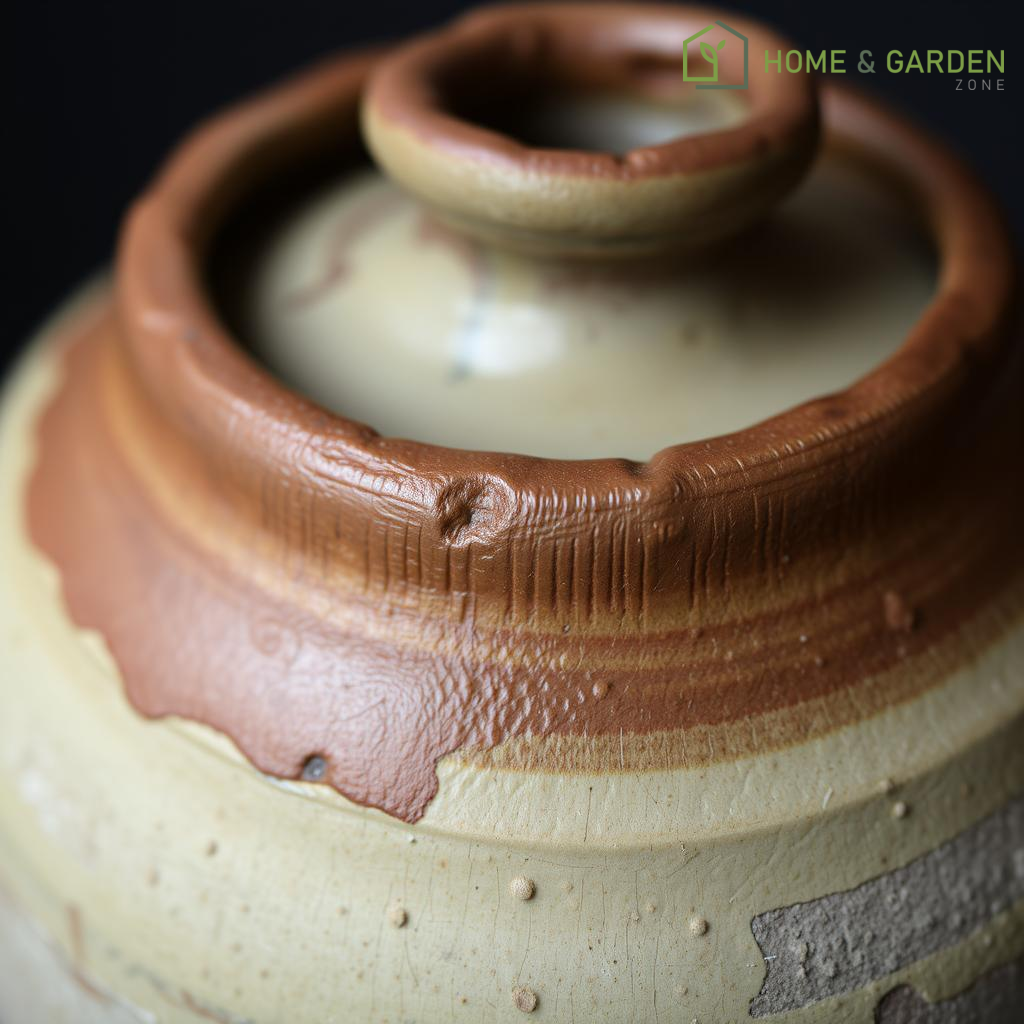
The Enduring Truth: Kawai Kanjiro, Mingei, and the Japan Society’s Centennial Retrospective
As the Japanese Mingei movement commemorates its centenary, New York’s Japan Society mounts a significant exhibition: the first U.S. retrospective dedicated to Kawai Kanjiro (1890-1966), a pivotal figure whose works profoundly shaped the philosophy and aesthetic of Japanese folk pottery. This landmark presentation invites contemporary audiences to delve into the profound simplicity and beauty Kanjiro found within everyday objects, aligning perfectly with the movement’s foundational principles.
The Philosophy of Form: Kawai Kanjiro’s Vision
Kawai Kanjiro was not merely a potter; he was a philosopher working in clay, deeply attuned to the intrinsic beauty of material and process. Rejecting the notion of art for art’s sake, he embraced a "no-self" approach to creation, believing that the potter's role was to act as a conduit, allowing the clay to reveal its inherent character. His Kyoto studio became a crucible for experimentation, where he explored diverse forms, glazes, and firing techniques, ranging from vibrant, expressionistic pieces to austere, earth-toned vessels. Kanjiro’s oeuvre, spanning over five decades, consistently elevated the utilitarian to the sublime, embodying a search for truth and authenticity in every curve and surface.
Mingei: A Movement for the People
The Mingei (folk art) movement, founded in 1926 by philosopher Yanagi Sōetsu alongside potters such as Kanjiro and Hamada Shōji, emerged as a cultural counter-current, advocating for the appreciation of anonymous craftsmanship. It championed objects made by ordinary people for everyday use – often simple, robust, and functional – as embodying a pure, unselfconscious beauty. Kanjiro became an ardent proponent, his work exemplifying Mingei’s core tenets: a reverence for natural materials, traditional techniques, and the unadorned beauty of utility. The movement sought to redefine art, shifting focus from individual genius to collective tradition and the inherent aesthetic value of handmade goods.
A Centennial Retrospective at the Japan Society
The Japan Society, a preeminent institution for fostering understanding of Japanese culture, is an apt venue for this historic retrospective. Timed to coincide with Mingei’s 100th anniversary, the exhibition offers a comprehensive journey through Kanjiro’s prolific career. Visitors will encounter a diverse array of his stoneware and porcelain, from early, more conventional pieces to the later, increasingly abstract and sculptural forms that defied easy categorization. The exhibition serves not only as a celebration of Kanjiro’s individual genius but also as a vital re-evaluation of the Mingei philosophy in a world increasingly dominated by mass production, highlighting the enduring relevance of handmade objects.
Legacy of Enduring Beauty
Kawai Kanjiro's contribution extends far beyond his physical creations. His philosophical approach to craft and his tireless advocacy for the Mingei movement have left an indelible mark on both Japanese and international art. He demonstrated that true beauty often resides in the unassuming, the functional, and the honest expression of material. This retrospective at the Japan Society is more than an exhibition; it is an invitation to rediscover the profound wisdom embedded in the simple act of creation and to appreciate the timeless appeal of objects crafted with soul and purpose, a legacy that continues to resonate a century after Mingei’s inception.
Resources
- Japan Society Official Website (for exhibition information and cultural programming)
- Mingei International Museum (for research on the Mingei movement and its artists)
- Scholarly publications and academic texts on Japanese ceramics and folk art, often found through university libraries or specialized art history resources.
Details
Author




Latest articles





 }})
You can now watch HBO Max for $10
The Enduring Truth: Kawai Kanjiro, Mingei, and the Japan Society’s Centennial Retrospective
As the Japanese Mingei movement commemorates its centenary, New York’s Japan Society mounts a significant exhibition: the first U.S. retrospective dedicated to Kawai Kanjiro (1890-1966), a pivotal figure whose works profoundly shaped the philosophy and aesthetic of Japanese folk pottery. This landmark presentation invites contemporary audiences to delve into the profound simplicity and beauty Kanjiro found within everyday objects, aligning perfectly with the movement’s foundational principles.
The Philosophy of Form: Kawai Kanjiro’s Vision
Kawai Kanjiro was not merely a potter; he was a philosopher working in clay, deeply attuned to the intrinsic beauty of material and process. Rejecting the notion of art for art’s sake, he embraced a "no-self" approach to creation, believing that the potter's role was to act as a conduit, allowing the clay to reveal its inherent character. His Kyoto studio became a crucible for experimentation, where he explored diverse forms, glazes, and firing techniques, ranging from vibrant, expressionistic pieces to austere, earth-toned vessels. Kanjiro’s oeuvre, spanning over five decades, consistently elevated the utilitarian to the sublime, embodying a search for truth and authenticity in every curve and surface.
Mingei: A Movement for the People
The Mingei (folk art) movement, founded in 1926 by philosopher Yanagi Sōetsu alongside potters such as Kanjiro and Hamada Shōji, emerged as a cultural counter-current, advocating for the appreciation of anonymous craftsmanship. It championed objects made by ordinary people for everyday use – often simple, robust, and functional – as embodying a pure, unselfconscious beauty. Kanjiro became an ardent proponent, his work exemplifying Mingei’s core tenets: a reverence for natural materials, traditional techniques, and the unadorned beauty of utility. The movement sought to redefine art, shifting focus from individual genius to collective tradition and the inherent aesthetic value of handmade goods.
A Centennial Retrospective at the Japan Society
The Japan Society, a preeminent institution for fostering understanding of Japanese culture, is an apt venue for this historic retrospective. Timed to coincide with Mingei’s 100th anniversary, the exhibition offers a comprehensive journey through Kanjiro’s prolific career. Visitors will encounter a diverse array of his stoneware and porcelain, from early, more conventional pieces to the later, increasingly abstract and sculptural forms that defied easy categorization. The exhibition serves not only as a celebration of Kanjiro’s individual genius but also as a vital re-evaluation of the Mingei philosophy in a world increasingly dominated by mass production, highlighting the enduring relevance of handmade objects.
Legacy of Enduring Beauty
Kawai Kanjiro's contribution extends far beyond his physical creations. His philosophical approach to craft and his tireless advocacy for the Mingei movement have left an indelible mark on both Japanese and international art. He demonstrated that true beauty often resides in the unassuming, the functional, and the honest expression of material. This retrospective at the Japan Society is more than an exhibition; it is an invitation to rediscover the profound wisdom embedded in the simple act of creation and to appreciate the timeless appeal of objects crafted with soul and purpose, a legacy that continues to resonate a century after Mingei’s inception.
Resources
- Japan Society Official Website (for exhibition information and cultural programming)
- Mingei International Museum (for research on the Mingei movement and its artists)
- Scholarly publications and academic texts on Japanese ceramics and folk art, often found through university libraries or specialized art history resources.
Latest articles
You can now watch HBO Max for $10
Similar posts




This is a page that only logged-in people can visit. Don't you feel special? Try clicking on a button below to do some things you can't do when you're logged out.
Example modal
At your leisure, please peruse this excerpt from a whale of a tale.
Chapter 1: Loomings.
Call me Ishmael. Some years ago—never mind how long precisely—having little or no money in my purse, and nothing particular to interest me on shore, I thought I would sail about a little and see the watery part of the world. It is a way I have of driving off the spleen and regulating the circulation. Whenever I find myself growing grim about the mouth; whenever it is a damp, drizzly November in my soul; whenever I find myself involuntarily pausing before coffin warehouses, and bringing up the rear of every funeral I meet; and especially whenever my hypos get such an upper hand of me, that it requires a strong moral principle to prevent me from deliberately stepping into the street, and methodically knocking people's hats off—then, I account it high time to get to sea as soon as I can. This is my substitute for pistol and ball. With a philosophical flourish Cato throws himself upon his sword; I quietly take to the ship. There is nothing surprising in this. If they but knew it, almost all men in their degree, some time or other, cherish very nearly the same feelings towards the ocean with me.
Comment