Tatjana von Stein Infuses The Dean Munich with Jugendstil Elegance and 1980s Audacity
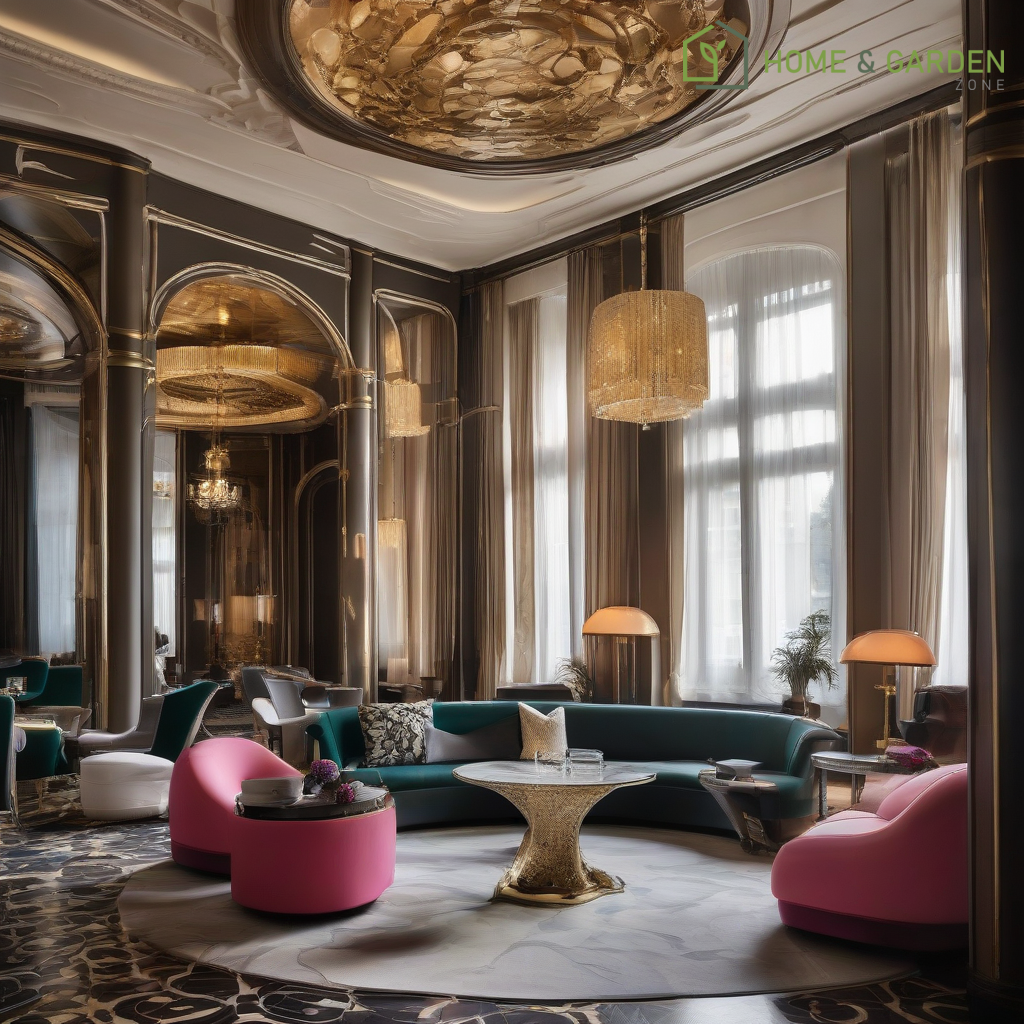
The latest addition to Munich's vibrant hospitality scene, The Dean Munich, is not merely a hotel; it is a meticulously crafted design statement, a testament to the vision of French-German designer Tatjana von Stein. Commissioned to shape the interiors, von Stein embarked on an ambitious project, conceiving hundreds of bespoke lights and furnishings that resonate with a compelling duality: the refined curvilinear forms of local Jugendstil and the unapologetic exuberance of 1980s glamour.
A Dialogue Between Eras
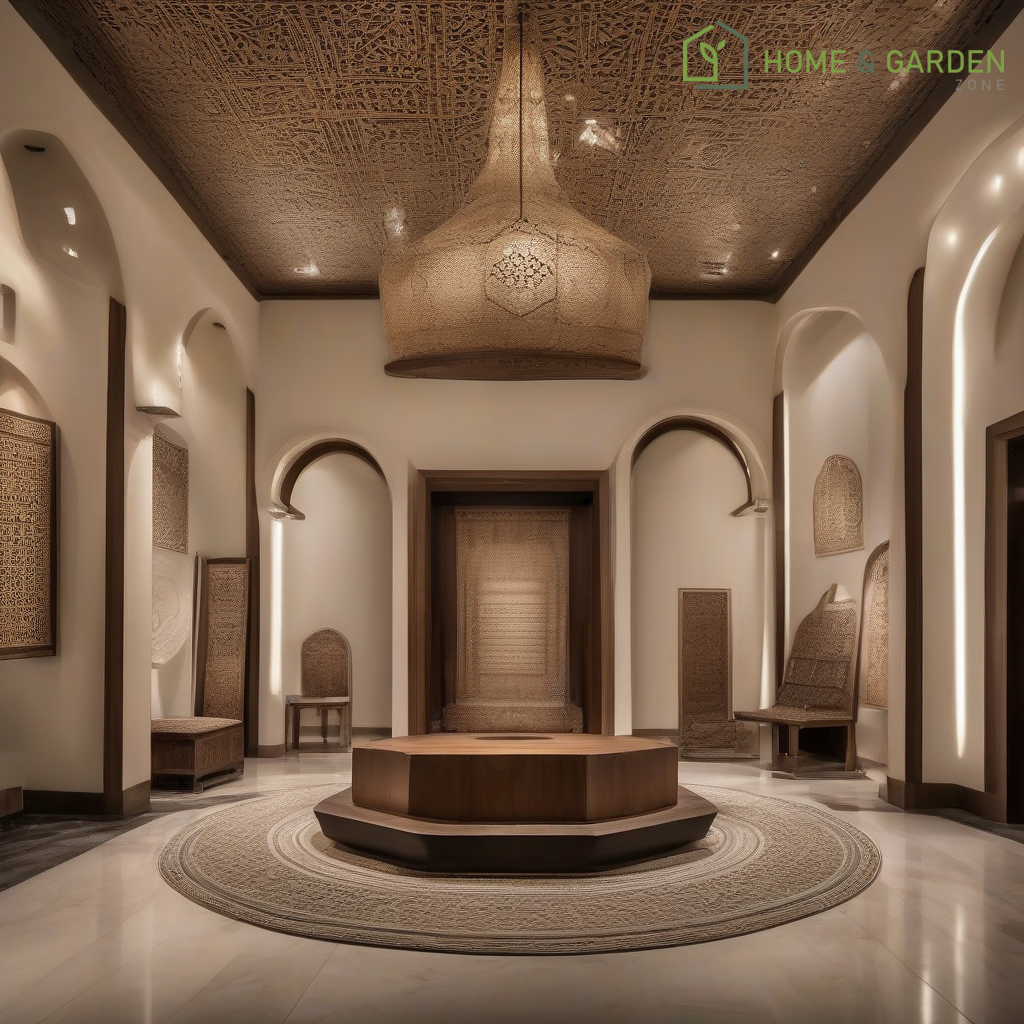
Von Stein's design philosophy for The Dean Munich draws deeply from the city's rich artistic past, particularly the Art Nouveau movement, known in Germany as Jugendstil. This historical reverence is not merely ornamental; it forms the very骨骼 of the hotel's aesthetic. Guests encounter design elements that echo the organic lines, natural motifs, and artisanal craftsmanship characteristic of Jugendstil, evident in custom lighting fixtures that cast intricate patterns and furniture pieces that combine functionality with sculptural artistry.
However, this classical foundation is boldly juxtaposed with the distinct energy of the 1980s. This era, known for its opulent materials, vibrant colour palettes, and a certain maximalist sensibility, introduces a layer of playful sophistication. Plush velvets, polished metals, and unexpected bursts of colour inject a contemporary dynamism, ensuring the hotel feels both timeless and exceptionally modern. The fusion creates an environment that is at once elegant and invitingly audacious, reflecting Munich's own capacity for both tradition and forward-thinking cultural expression.
The Dean Munich Experience
Operated by the Irish hotel chain, The Dean Munich presents an extensive offering, featuring 281 meticulously designed rooms and suites. Each space continues the curated design narrative, providing guests with an immersive experience. Beyond accommodation, the hotel serves as a social hub, boasting three distinct bars, each with its own character, designed to cater to diverse tastes and occasions. A cornerstone of the hotel's culinary identity is Ibasho, its signature Japanese restaurant, promising an authentic and elevated dining experience.
Tatjana von Stein's comprehensive involvement, extending to the creation of bespoke elements for every corner of the establishment, underscores a commitment to unique identity over generic luxury. This hands-on approach ensures a cohesive and deeply personal aesthetic, positioning The Dean Munich as a significant new destination that offers more than just a stay—it offers an curated journey through design history.
Summary
Tatjana von Stein has masterfully woven together two distinct design epochs—the elegant Jugendstil and the flamboyant 1980s—to create a uniquely captivating identity for The Dean Munich. Her dedication to bespoke design, from lighting to furnishings, reflects a deep understanding of contextual history merged with a bold contemporary vision. The result is a hotel that stands as a vibrant cultural landmark, offering refined hospitality within a strikingly original aesthetic.
Resources
Details
Author



Latest articles


 }})
You can now watch HBO Max for $10
The latest addition to Munich's vibrant hospitality scene, The Dean Munich, is not merely a hotel; it is a meticulously crafted design statement, a testament to the vision of French-German designer Tatjana von Stein. Commissioned to shape the interiors, von Stein embarked on an ambitious project, conceiving hundreds of bespoke lights and furnishings that resonate with a compelling duality: the refined curvilinear forms of local Jugendstil and the unapologetic exuberance of 1980s glamour.
A Dialogue Between Eras
Von Stein's design philosophy for The Dean Munich draws deeply from the city's rich artistic past, particularly the Art Nouveau movement, known in Germany as Jugendstil. This historical reverence is not merely ornamental; it forms the very骨骼 of the hotel's aesthetic. Guests encounter design elements that echo the organic lines, natural motifs, and artisanal craftsmanship characteristic of Jugendstil, evident in custom lighting fixtures that cast intricate patterns and furniture pieces that combine functionality with sculptural artistry.
However, this classical foundation is boldly juxtaposed with the distinct energy of the 1980s. This era, known for its opulent materials, vibrant colour palettes, and a certain maximalist sensibility, introduces a layer of playful sophistication. Plush velvets, polished metals, and unexpected bursts of colour inject a contemporary dynamism, ensuring the hotel feels both timeless and exceptionally modern. The fusion creates an environment that is at once elegant and invitingly audacious, reflecting Munich's own capacity for both tradition and forward-thinking cultural expression.
The Dean Munich Experience
Operated by the Irish hotel chain, The Dean Munich presents an extensive offering, featuring 281 meticulously designed rooms and suites. Each space continues the curated design narrative, providing guests with an immersive experience. Beyond accommodation, the hotel serves as a social hub, boasting three distinct bars, each with its own character, designed to cater to diverse tastes and occasions. A cornerstone of the hotel's culinary identity is Ibasho, its signature Japanese restaurant, promising an authentic and elevated dining experience.
Tatjana von Stein's comprehensive involvement, extending to the creation of bespoke elements for every corner of the establishment, underscores a commitment to unique identity over generic luxury. This hands-on approach ensures a cohesive and deeply personal aesthetic, positioning The Dean Munich as a significant new destination that offers more than just a stay—it offers an curated journey through design history.
Summary
Tatjana von Stein has masterfully woven together two distinct design epochs—the elegant Jugendstil and the flamboyant 1980s—to create a uniquely captivating identity for The Dean Munich. Her dedication to bespoke design, from lighting to furnishings, reflects a deep understanding of contextual history merged with a bold contemporary vision. The result is a hotel that stands as a vibrant cultural landmark, offering refined hospitality within a strikingly original aesthetic.
Resources
Latest articles
You can now watch HBO Max for $10
Similar posts

This is a page that only logged-in people can visit. Don't you feel special? Try clicking on a button below to do some things you can't do when you're logged out.
Example modal
At your leisure, please peruse this excerpt from a whale of a tale.
Chapter 1: Loomings.
Call me Ishmael. Some years ago—never mind how long precisely—having little or no money in my purse, and nothing particular to interest me on shore, I thought I would sail about a little and see the watery part of the world. It is a way I have of driving off the spleen and regulating the circulation. Whenever I find myself growing grim about the mouth; whenever it is a damp, drizzly November in my soul; whenever I find myself involuntarily pausing before coffin warehouses, and bringing up the rear of every funeral I meet; and especially whenever my hypos get such an upper hand of me, that it requires a strong moral principle to prevent me from deliberately stepping into the street, and methodically knocking people's hats off—then, I account it high time to get to sea as soon as I can. This is my substitute for pistol and ball. With a philosophical flourish Cato throws himself upon his sword; I quietly take to the ship. There is nothing surprising in this. If they but knew it, almost all men in their degree, some time or other, cherish very nearly the same feelings towards the ocean with me.
Comment