The Enduring Allure of Garden Pools: Integrating Water into Landscape Design
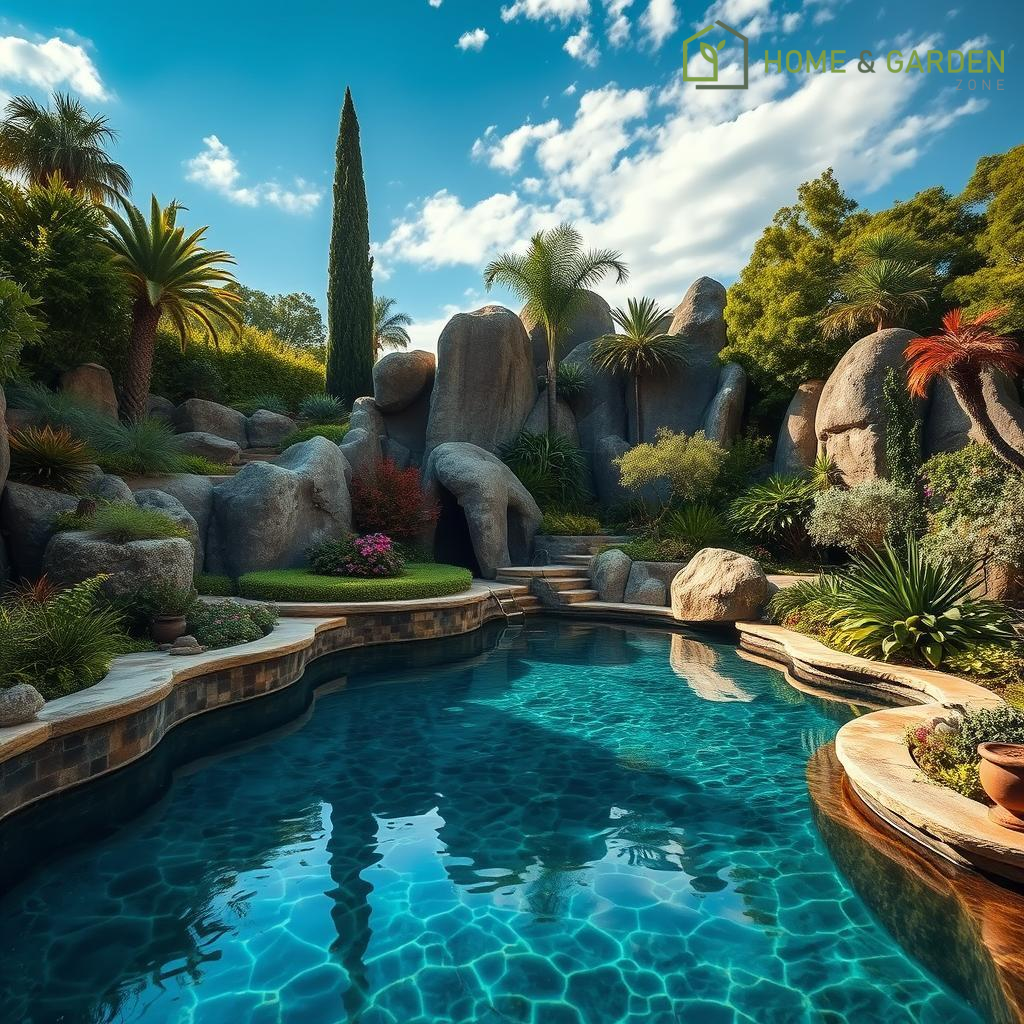
The Enduring Allure of Garden Pools: Integrating Water into Landscape Design
In the intricate tapestry of landscape architecture, certain elements consistently capture the human imagination, and among these, garden pools stand as perennial favorites. Beyond mere aesthetic enhancement, these aquatic features serve as focal points for tranquility, biodiversity, and sophisticated design, reflecting a deep-seated appreciation for water's transformative power within a cultivated environment.
The Allure of Water Features in Garden Design
The integration of water into garden spaces is a practice rooted in ancient civilizations, from the reflecting pools of Persian gardens to the elaborate koi ponds of Japanese landscapes. This enduring appeal stems from water's inherent ability to engage multiple senses: the gentle murmur of a waterfall, the shimmering reflections of sunlight, and the tactile coolness it imparts to the surrounding microclimate. Garden pools, whether formal or naturalistic, provide a dynamic element that evolves with the changing light and seasons, offering a living canvas for contemplation.
Design Philosophies and Contemporary Interpretations
Modern garden pools encompass a broad spectrum of design philosophies. Formal pools, often geometric and precisely edged, evoke a sense of order and elegance, frequently serving as architectural extensions of the home or structured garden areas. These can range from minimalist plunge pools to grand reflecting pools that mirror the sky and surrounding foliage. In contrast, natural swimming pools and ponds prioritize ecological balance, utilizing aquatic plants and biological filtration systems to maintain water clarity without chemicals. These designs blend seamlessly into the landscape, fostering a habitat for local flora and fauna, and offering a serene, biodiverse retreat.
Trends indicate a growing preference for sustainable and ecologically minded pool designs. Natural pools, for instance, are gaining traction for their lower environmental impact and the unique sensory experience they offer. Beyond their environmental credentials, these designs offer a more organic aesthetic, integrating effortlessly with diverse planting schemes and material palettes.
Beyond Aesthetics: Ecological and Wellness Benefits
The benefits of incorporating garden pools extend far beyond visual appeal. Ecologically, they can serve as vital oases for local wildlife, attracting birds, beneficial insects, and amphibians, thereby enhancing biodiversity within urban and suburban settings. The presence of water can also contribute to localized cooling, a significant advantage in hotter climates. From a human wellness perspective, the tranquil sounds and sights associated with water are proven to reduce stress, improve mood, and foster a sense of peace and relaxation, making garden pools invaluable assets for mental and physical well-being.
Summary
Garden pools represent more than just a luxurious addition to a landscape; they are intricate ecosystems and profound design statements that enrich the human experience. Their versatility, ranging from formal architectural elements to vibrant natural habitats, underscores their timeless relevance. As designers and homeowners continue to explore innovative ways to integrate water, the garden pool remains a powerful symbol of beauty, tranquility, and ecological harmony, constantly evolving yet forever rooted in our collective appreciation for the natural world.
Resources
Details
Author


Latest articles


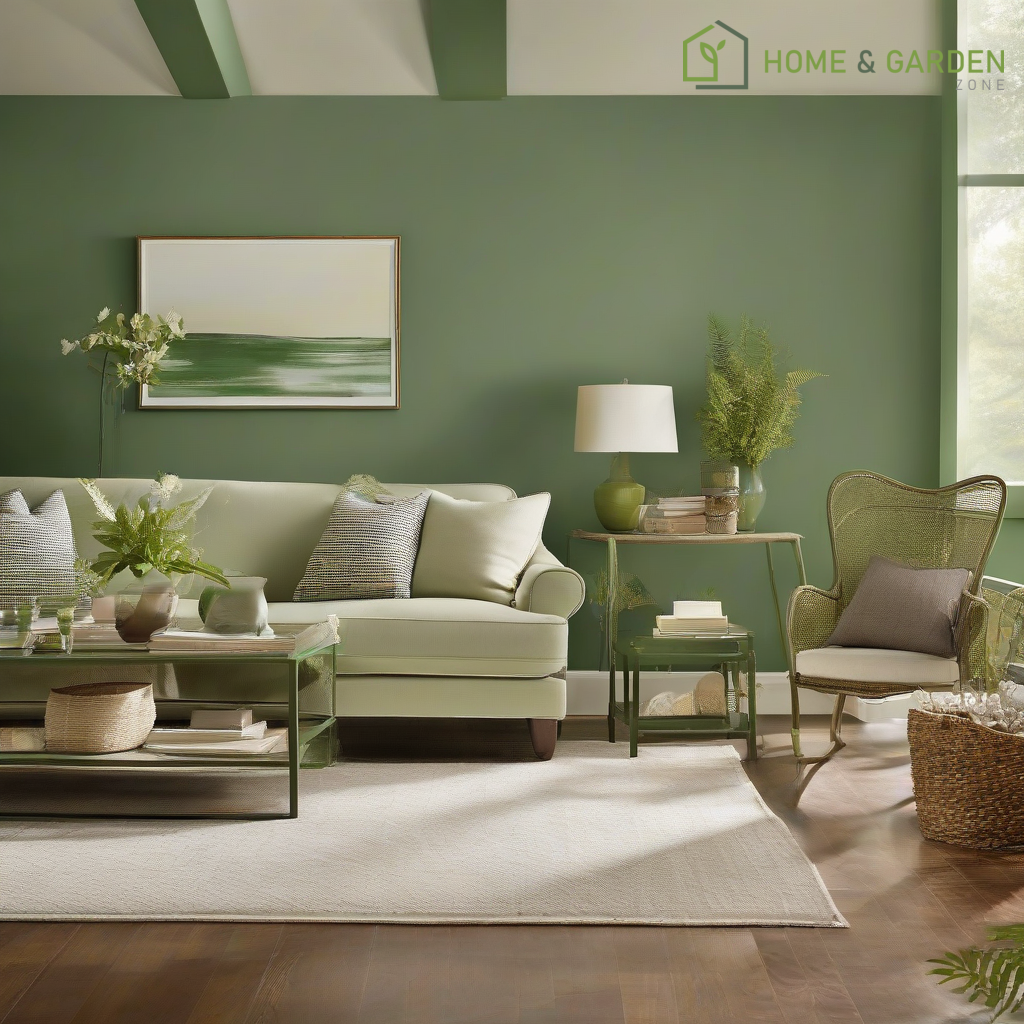

 }})
You can now watch HBO Max for $10
The Enduring Allure of Garden Pools: Integrating Water into Landscape Design
In the intricate tapestry of landscape architecture, certain elements consistently capture the human imagination, and among these, garden pools stand as perennial favorites. Beyond mere aesthetic enhancement, these aquatic features serve as focal points for tranquility, biodiversity, and sophisticated design, reflecting a deep-seated appreciation for water's transformative power within a cultivated environment.
The Allure of Water Features in Garden Design
The integration of water into garden spaces is a practice rooted in ancient civilizations, from the reflecting pools of Persian gardens to the elaborate koi ponds of Japanese landscapes. This enduring appeal stems from water's inherent ability to engage multiple senses: the gentle murmur of a waterfall, the shimmering reflections of sunlight, and the tactile coolness it imparts to the surrounding microclimate. Garden pools, whether formal or naturalistic, provide a dynamic element that evolves with the changing light and seasons, offering a living canvas for contemplation.
Design Philosophies and Contemporary Interpretations
Modern garden pools encompass a broad spectrum of design philosophies. Formal pools, often geometric and precisely edged, evoke a sense of order and elegance, frequently serving as architectural extensions of the home or structured garden areas. These can range from minimalist plunge pools to grand reflecting pools that mirror the sky and surrounding foliage. In contrast, natural swimming pools and ponds prioritize ecological balance, utilizing aquatic plants and biological filtration systems to maintain water clarity without chemicals. These designs blend seamlessly into the landscape, fostering a habitat for local flora and fauna, and offering a serene, biodiverse retreat.
Trends indicate a growing preference for sustainable and ecologically minded pool designs. Natural pools, for instance, are gaining traction for their lower environmental impact and the unique sensory experience they offer. Beyond their environmental credentials, these designs offer a more organic aesthetic, integrating effortlessly with diverse planting schemes and material palettes.
Beyond Aesthetics: Ecological and Wellness Benefits
The benefits of incorporating garden pools extend far beyond visual appeal. Ecologically, they can serve as vital oases for local wildlife, attracting birds, beneficial insects, and amphibians, thereby enhancing biodiversity within urban and suburban settings. The presence of water can also contribute to localized cooling, a significant advantage in hotter climates. From a human wellness perspective, the tranquil sounds and sights associated with water are proven to reduce stress, improve mood, and foster a sense of peace and relaxation, making garden pools invaluable assets for mental and physical well-being.
Summary
Garden pools represent more than just a luxurious addition to a landscape; they are intricate ecosystems and profound design statements that enrich the human experience. Their versatility, ranging from formal architectural elements to vibrant natural habitats, underscores their timeless relevance. As designers and homeowners continue to explore innovative ways to integrate water, the garden pool remains a powerful symbol of beauty, tranquility, and ecological harmony, constantly evolving yet forever rooted in our collective appreciation for the natural world.
Resources
Latest articles
You can now watch HBO Max for $10
Similar posts

This is a page that only logged-in people can visit. Don't you feel special? Try clicking on a button below to do some things you can't do when you're logged out.
Example modal
At your leisure, please peruse this excerpt from a whale of a tale.
Chapter 1: Loomings.
Call me Ishmael. Some years ago—never mind how long precisely—having little or no money in my purse, and nothing particular to interest me on shore, I thought I would sail about a little and see the watery part of the world. It is a way I have of driving off the spleen and regulating the circulation. Whenever I find myself growing grim about the mouth; whenever it is a damp, drizzly November in my soul; whenever I find myself involuntarily pausing before coffin warehouses, and bringing up the rear of every funeral I meet; and especially whenever my hypos get such an upper hand of me, that it requires a strong moral principle to prevent me from deliberately stepping into the street, and methodically knocking people's hats off—then, I account it high time to get to sea as soon as I can. This is my substitute for pistol and ball. With a philosophical flourish Cato throws himself upon his sword; I quietly take to the ship. There is nothing surprising in this. If they but knew it, almost all men in their degree, some time or other, cherish very nearly the same feelings towards the ocean with me.
Comment