The Enduring Invitation: How the Adirondack Chair Defines Human Presence in Garden Sanctuaries Like Chanticleer
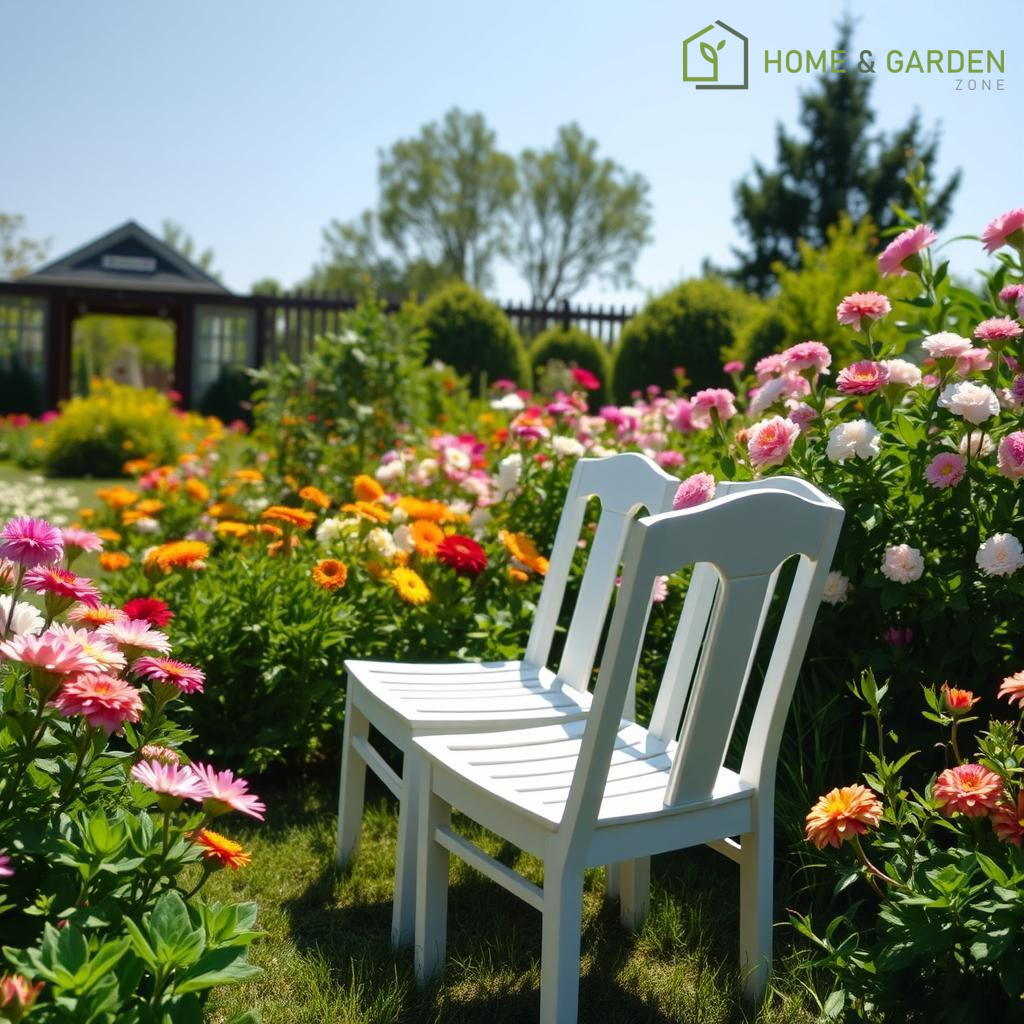
Gardens, in their purest form, are cultivated extensions of nature, designed to evoke wonder, tranquility, and a sense of escape. Yet, for these spaces to truly resonate with the human spirit, they must offer more than just visual splendor; they must provide an invitation to linger, to pause, and to absorb the meticulously crafted environment. No single piece of outdoor furniture embodies this invitation more profoundly than the Adirondack chair, a design classic that has transcended its utilitarian origins to become a symbol of leisure and integration within the natural landscape.
The Genesis of an Icon: The Adirondack Chair's Enduring Appeal
Conceived in the early 20th century by Thomas Lee in Westport, New York, the Adirondack chair, originally known as the "Westport chair," was born out of a desire for comfortable outdoor seating on uneven mountain terrain. Its distinctive features—wide, flat armrests, a tall, slatted back, and a gently reclined seat—were revolutionary for their time. These elements were not merely aesthetic; they were ergonomic innovations designed to offer unparalleled relaxation, encouraging occupants to settle in and observe their surroundings rather than simply pass through them.
The chair's robust construction, often from weather-resistant wood, cemented its status as a fixture in lakeside cabins and mountain retreats. Over the decades, its design has been subtly refined and interpreted, leading to a diverse array of "Adirondack-inspired" chairs, yet the core principles of comfort and relaxed posture remain sacrosanct. This adaptability, coupled with its timeless aesthetic, allows the Adirondack chair to seamlessly blend into a variety of garden styles, from rustic to contemporary.
Chanticleer Garden: A Masterclass in Human-Centric Design
Few places exemplify the thoughtful integration of seating into garden design as eloquently as Chanticleer Garden in Wayne, Pennsylvania. Known affectionately as "a pleasure garden," Chanticleer is celebrated for its innovative plantings and its commitment to providing an immersive, visitor-friendly experience. Here, Adirondack and Adirondack-inspired chairs are not mere afterthoughts but integral components of the landscape architecture.
Strategically placed throughout Chanticleer's diverse garden rooms—be it overlooking the serene pond, nestled within a vibrant perennial border, or offering a vantage point from a sweeping vista—these chairs serve as deliberate punctuation marks. They beckon visitors to slow down, to engage more deeply with a particular view, or to simply enjoy the ambient sounds of nature. This intentional placement transforms the act of viewing into an act of experiencing, fostering a deeper connection between the human observer and the horticultural artistry.
The chairs at Chanticleer are often crafted from various materials, sometimes painted in hues that complement the surrounding flora, further blurring the lines between furniture and garden element. Their presence underscores a fundamental truth: a garden reaches its full potential when it not only showcases botanical beauty but also actively invites human participation and repose.
The Philosophy of an Invitation: Beyond Mere Seating
The Adirondack chair, and indeed any well-placed garden seat, does more than offer a place to rest weary legs. It creates an invitation to contemplation, a prompt for mindfulness. In an era dominated by fleeting digital interactions, the simple act of sitting quietly in a garden offers a profound opportunity for introspection and connection with the natural world. It encourages a shift in pace, transforming a hurried tour into a leisurely exploration.
The wide armrests of an Adirondack chair, often accommodating a book or a cup of coffee, reinforce this philosophy of prolonged engagement. They support not just the body, but the intention to settle in and savor the moment. Thus, chairs in a garden are not passive objects; they are active agents in shaping the human experience of that space, transforming it from a mere display into a sanctuary for the senses and the soul.
Summary
The Adirondack chair stands as a testament to thoughtful design, offering an enduring invitation for humans to fully inhabit and appreciate garden spaces. Its iconic form, born from a need for comfort in nature, has found a perfect home in meticulously designed landscapes like Chanticleer Garden. By strategically placing these chairs, gardens are transformed into interactive sanctuaries, encouraging visitors to pause, reflect, and forge a deeper, more meaningful connection with the cultivated beauty around them. The humble garden chair, particularly the Adirondack, is a powerful tool in humanizing outdoor spaces, making them truly inviting.
Resources
- Wikipedia: Adirondack Chair (https://en.wikipedia.org/wiki/Adirondack_chair)
- Chanticleer Garden Official Website (https://www.chanticleergarden.org/)
- Garden Design Magazine (Various articles on garden seating and human engagement in gardens.)
Details
Author



Latest articles



 }})
You can now watch HBO Max for $10
Gardens, in their purest form, are cultivated extensions of nature, designed to evoke wonder, tranquility, and a sense of escape. Yet, for these spaces to truly resonate with the human spirit, they must offer more than just visual splendor; they must provide an invitation to linger, to pause, and to absorb the meticulously crafted environment. No single piece of outdoor furniture embodies this invitation more profoundly than the Adirondack chair, a design classic that has transcended its utilitarian origins to become a symbol of leisure and integration within the natural landscape.
The Genesis of an Icon: The Adirondack Chair's Enduring Appeal
Conceived in the early 20th century by Thomas Lee in Westport, New York, the Adirondack chair, originally known as the "Westport chair," was born out of a desire for comfortable outdoor seating on uneven mountain terrain. Its distinctive features—wide, flat armrests, a tall, slatted back, and a gently reclined seat—were revolutionary for their time. These elements were not merely aesthetic; they were ergonomic innovations designed to offer unparalleled relaxation, encouraging occupants to settle in and observe their surroundings rather than simply pass through them.
The chair's robust construction, often from weather-resistant wood, cemented its status as a fixture in lakeside cabins and mountain retreats. Over the decades, its design has been subtly refined and interpreted, leading to a diverse array of "Adirondack-inspired" chairs, yet the core principles of comfort and relaxed posture remain sacrosanct. This adaptability, coupled with its timeless aesthetic, allows the Adirondack chair to seamlessly blend into a variety of garden styles, from rustic to contemporary.
Chanticleer Garden: A Masterclass in Human-Centric Design
Few places exemplify the thoughtful integration of seating into garden design as eloquently as Chanticleer Garden in Wayne, Pennsylvania. Known affectionately as "a pleasure garden," Chanticleer is celebrated for its innovative plantings and its commitment to providing an immersive, visitor-friendly experience. Here, Adirondack and Adirondack-inspired chairs are not mere afterthoughts but integral components of the landscape architecture.
Strategically placed throughout Chanticleer's diverse garden rooms—be it overlooking the serene pond, nestled within a vibrant perennial border, or offering a vantage point from a sweeping vista—these chairs serve as deliberate punctuation marks. They beckon visitors to slow down, to engage more deeply with a particular view, or to simply enjoy the ambient sounds of nature. This intentional placement transforms the act of viewing into an act of experiencing, fostering a deeper connection between the human observer and the horticultural artistry.
The chairs at Chanticleer are often crafted from various materials, sometimes painted in hues that complement the surrounding flora, further blurring the lines between furniture and garden element. Their presence underscores a fundamental truth: a garden reaches its full potential when it not only showcases botanical beauty but also actively invites human participation and repose.
The Philosophy of an Invitation: Beyond Mere Seating
The Adirondack chair, and indeed any well-placed garden seat, does more than offer a place to rest weary legs. It creates an invitation to contemplation, a prompt for mindfulness. In an era dominated by fleeting digital interactions, the simple act of sitting quietly in a garden offers a profound opportunity for introspection and connection with the natural world. It encourages a shift in pace, transforming a hurried tour into a leisurely exploration.
The wide armrests of an Adirondack chair, often accommodating a book or a cup of coffee, reinforce this philosophy of prolonged engagement. They support not just the body, but the intention to settle in and savor the moment. Thus, chairs in a garden are not passive objects; they are active agents in shaping the human experience of that space, transforming it from a mere display into a sanctuary for the senses and the soul.
Summary
The Adirondack chair stands as a testament to thoughtful design, offering an enduring invitation for humans to fully inhabit and appreciate garden spaces. Its iconic form, born from a need for comfort in nature, has found a perfect home in meticulously designed landscapes like Chanticleer Garden. By strategically placing these chairs, gardens are transformed into interactive sanctuaries, encouraging visitors to pause, reflect, and forge a deeper, more meaningful connection with the cultivated beauty around them. The humble garden chair, particularly the Adirondack, is a powerful tool in humanizing outdoor spaces, making them truly inviting.
Resources
- Wikipedia: Adirondack Chair (https://en.wikipedia.org/wiki/Adirondack_chair)
- Chanticleer Garden Official Website (https://www.chanticleergarden.org/)
- Garden Design Magazine (Various articles on garden seating and human engagement in gardens.)
Latest articles
You can now watch HBO Max for $10
Similar posts




This is a page that only logged-in people can visit. Don't you feel special? Try clicking on a button below to do some things you can't do when you're logged out.
Example modal
At your leisure, please peruse this excerpt from a whale of a tale.
Chapter 1: Loomings.
Call me Ishmael. Some years ago—never mind how long precisely—having little or no money in my purse, and nothing particular to interest me on shore, I thought I would sail about a little and see the watery part of the world. It is a way I have of driving off the spleen and regulating the circulation. Whenever I find myself growing grim about the mouth; whenever it is a damp, drizzly November in my soul; whenever I find myself involuntarily pausing before coffin warehouses, and bringing up the rear of every funeral I meet; and especially whenever my hypos get such an upper hand of me, that it requires a strong moral principle to prevent me from deliberately stepping into the street, and methodically knocking people's hats off—then, I account it high time to get to sea as soon as I can. This is my substitute for pistol and ball. With a philosophical flourish Cato throws himself upon his sword; I quietly take to the ship. There is nothing surprising in this. If they but knew it, almost all men in their degree, some time or other, cherish very nearly the same feelings towards the ocean with me.
Comment