Crafting Serenity: An Investigation into the Yakisugi Sakura Sconce for Modern Makers
The Enduring Appeal of Yakisugi: Crafting a Sakura Sconce
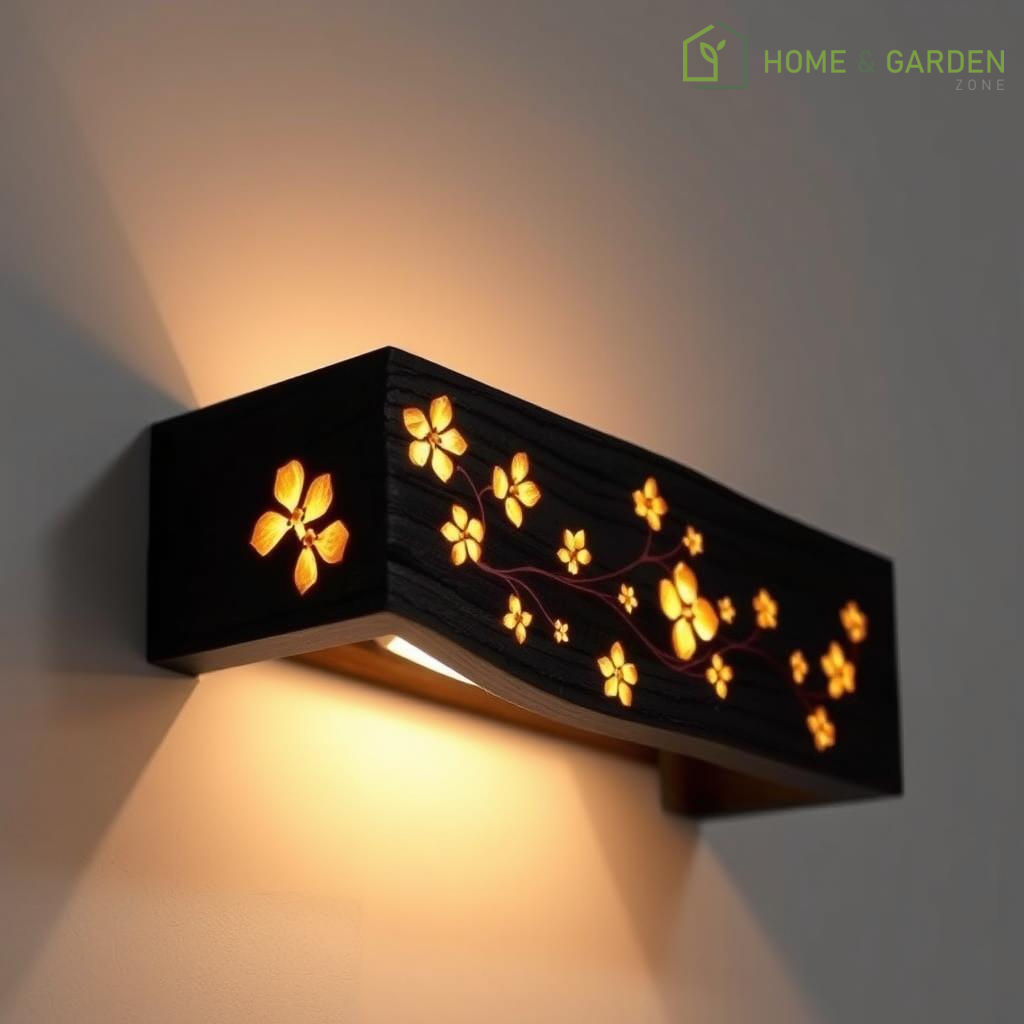
In the realm of artisanal woodworking, the convergence of ancient techniques and contemporary design often yields creations of profound beauty and practical utility. The Yakisugi Sakura Sconce exemplifies this synergy, offering a minimalist yet striking lighting fixture built for the subtle glow of LED tea lights. This project, adaptable as either a wall-mounted sconce or an elegant table light, marries the rustic elegance of charred wood with the delicate symbolism of the cherry blossom, providing a unique accent to any interior space.
Understanding Yakisugi: A Legacy of Fire and Wood
Yakisugi, often referred to as Shou Sugi Ban in the West, is a traditional Japanese method of preserving wood by charring its surface. This meticulous process involves carefully burning the wood, cooling it, cleaning the soot, and finally finishing it with an oil sealant. Beyond its aesthetic appeal—producing a rich, often velvety black finish with enhanced grain patterns—Yakisugi significantly increases the wood's durability. The charred layer makes the wood more resistant to insects, rot, and even fire, transforming ordinary timber into a resilient and visually captivating material.
The practice demands precision and respect for the material. While the process may seem straightforward, achieving an even char and a clean finish requires careful control of the flame and appropriate brushing techniques. Safety protocols, including working in a well-ventilated area and having fire suppression readily available, are paramount when employing this transformative method.
The Sakura Motif: Symbolism in Illumination
The incorporation of the sakura, or cherry blossom, motif imbues the sconce with layers of cultural significance. In Japanese culture, the sakura symbolizes the ephemeral nature of life, beauty, and renewal. When integrated into the design of a lighting fixture, this motif introduces an element of delicate grace, contrasting beautifully with the robust, darkened wood. The cherry blossom shape can be achieved through precise carving, laser cutting for intricate details, or even stencil work, allowing the soft LED light to subtly highlight its contours, creating captivating shadows and a serene ambiance.
Design and Functionality for Modern Spaces
Designed primarily for LED tea lights, this sconce avoids the inherent fire risks associated with open flames, making it a safe and versatile lighting solution. The low heat output of LEDs ensures the integrity of the Yakisugi-treated wood while providing a gentle, inviting glow. Its dual functionality—as either a wall-mounted sconce or a freestanding table light—offers flexibility in home decor, allowing makers to choose the configuration that best suits their space and aesthetic preferences.
The compact nature of the design makes it suitable for various settings, from intimate reading nooks to entryway accents. Materials typically include softwood species like cedar or pine, which respond well to the charring process, alongside simple fasteners and a stable base or mounting plate, depending on the desired application.
Construction Considerations and the Maker's Journey
Embarking on the creation of a Yakisugi Sakura Sconce involves several key steps. The initial phase focuses on preparing the wood and executing the Yakisugi treatment, ensuring an even char and proper sealing. Subsequent steps involve cutting and shaping the wood to form the sconce structure and the sakura motif. Precision in these stages is crucial for both aesthetic appeal and structural integrity. Finally, assembling the components and integrating the housing for the LED tea light completes the project. This hands-on endeavor not only results in a functional piece of art but also offers an engaging experience in traditional craft adapted for contemporary living.
Summary
The Yakisugi Sakura Sconce represents a harmonious blend of traditional Japanese woodworking and modern DIY ethos. By utilizing the ancient art of wood charring and incorporating the timeless beauty of the cherry blossom, makers can produce a durable, aesthetically rich, and safe lighting solution for LED tea lights. This project stands as a testament to the enduring appeal of handcrafted items that tell a story, offering both a functional object and a piece of cultural artistry to any environment.
Resources
Details
Author




Latest articles



 }})
You can now watch HBO Max for $10
The Enduring Appeal of Yakisugi: Crafting a Sakura Sconce
In the realm of artisanal woodworking, the convergence of ancient techniques and contemporary design often yields creations of profound beauty and practical utility. The Yakisugi Sakura Sconce exemplifies this synergy, offering a minimalist yet striking lighting fixture built for the subtle glow of LED tea lights. This project, adaptable as either a wall-mounted sconce or an elegant table light, marries the rustic elegance of charred wood with the delicate symbolism of the cherry blossom, providing a unique accent to any interior space.
Understanding Yakisugi: A Legacy of Fire and Wood
Yakisugi, often referred to as Shou Sugi Ban in the West, is a traditional Japanese method of preserving wood by charring its surface. This meticulous process involves carefully burning the wood, cooling it, cleaning the soot, and finally finishing it with an oil sealant. Beyond its aesthetic appeal—producing a rich, often velvety black finish with enhanced grain patterns—Yakisugi significantly increases the wood's durability. The charred layer makes the wood more resistant to insects, rot, and even fire, transforming ordinary timber into a resilient and visually captivating material.
The practice demands precision and respect for the material. While the process may seem straightforward, achieving an even char and a clean finish requires careful control of the flame and appropriate brushing techniques. Safety protocols, including working in a well-ventilated area and having fire suppression readily available, are paramount when employing this transformative method.
The Sakura Motif: Symbolism in Illumination
The incorporation of the sakura, or cherry blossom, motif imbues the sconce with layers of cultural significance. In Japanese culture, the sakura symbolizes the ephemeral nature of life, beauty, and renewal. When integrated into the design of a lighting fixture, this motif introduces an element of delicate grace, contrasting beautifully with the robust, darkened wood. The cherry blossom shape can be achieved through precise carving, laser cutting for intricate details, or even stencil work, allowing the soft LED light to subtly highlight its contours, creating captivating shadows and a serene ambiance.
Design and Functionality for Modern Spaces
Designed primarily for LED tea lights, this sconce avoids the inherent fire risks associated with open flames, making it a safe and versatile lighting solution. The low heat output of LEDs ensures the integrity of the Yakisugi-treated wood while providing a gentle, inviting glow. Its dual functionality—as either a wall-mounted sconce or a freestanding table light—offers flexibility in home decor, allowing makers to choose the configuration that best suits their space and aesthetic preferences.
The compact nature of the design makes it suitable for various settings, from intimate reading nooks to entryway accents. Materials typically include softwood species like cedar or pine, which respond well to the charring process, alongside simple fasteners and a stable base or mounting plate, depending on the desired application.
Construction Considerations and the Maker's Journey
Embarking on the creation of a Yakisugi Sakura Sconce involves several key steps. The initial phase focuses on preparing the wood and executing the Yakisugi treatment, ensuring an even char and proper sealing. Subsequent steps involve cutting and shaping the wood to form the sconce structure and the sakura motif. Precision in these stages is crucial for both aesthetic appeal and structural integrity. Finally, assembling the components and integrating the housing for the LED tea light completes the project. This hands-on endeavor not only results in a functional piece of art but also offers an engaging experience in traditional craft adapted for contemporary living.
Summary
The Yakisugi Sakura Sconce represents a harmonious blend of traditional Japanese woodworking and modern DIY ethos. By utilizing the ancient art of wood charring and incorporating the timeless beauty of the cherry blossom, makers can produce a durable, aesthetically rich, and safe lighting solution for LED tea lights. This project stands as a testament to the enduring appeal of handcrafted items that tell a story, offering both a functional object and a piece of cultural artistry to any environment.
Resources
Latest articles
You can now watch HBO Max for $10
Similar posts


This is a page that only logged-in people can visit. Don't you feel special? Try clicking on a button below to do some things you can't do when you're logged out.
Example modal
At your leisure, please peruse this excerpt from a whale of a tale.
Chapter 1: Loomings.
Call me Ishmael. Some years ago—never mind how long precisely—having little or no money in my purse, and nothing particular to interest me on shore, I thought I would sail about a little and see the watery part of the world. It is a way I have of driving off the spleen and regulating the circulation. Whenever I find myself growing grim about the mouth; whenever it is a damp, drizzly November in my soul; whenever I find myself involuntarily pausing before coffin warehouses, and bringing up the rear of every funeral I meet; and especially whenever my hypos get such an upper hand of me, that it requires a strong moral principle to prevent me from deliberately stepping into the street, and methodically knocking people's hats off—then, I account it high time to get to sea as soon as I can. This is my substitute for pistol and ball. With a philosophical flourish Cato throws himself upon his sword; I quietly take to the ship. There is nothing surprising in this. If they but knew it, almost all men in their degree, some time or other, cherish very nearly the same feelings towards the ocean with me.
Comment