Cultivating Innovation: 10 Ingenious Ideas to Revolutionize Your Home Garden Space
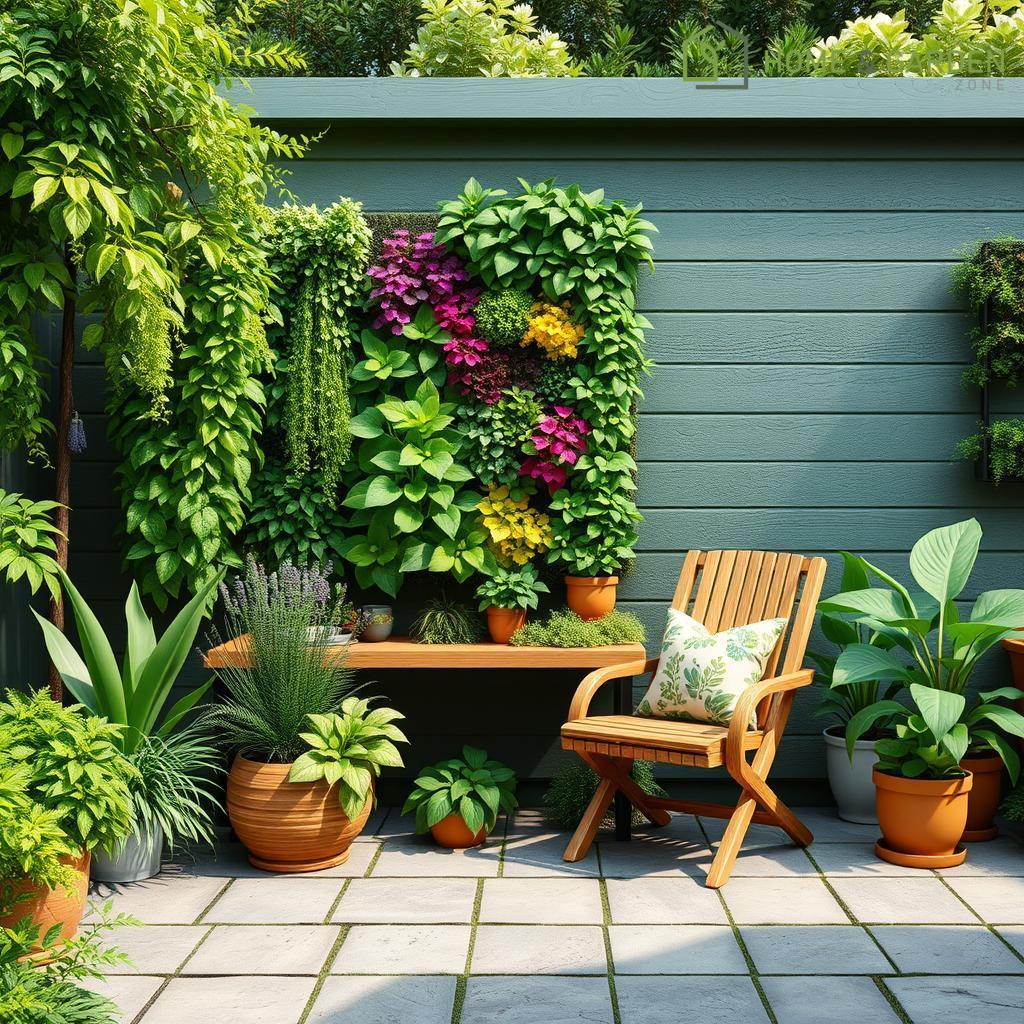
The contemporary home garden transcends mere aesthetics, evolving into a dynamic space for sustainable living, food production, and ecological contribution. As urbanisation intensifies and environmental consciousness grows, innovative approaches to gardening are becoming increasingly vital. This exploration delves into ten distinct ideas, each designed to enhance your outdoor environment, maximise utility, and foster a deeper connection with the natural world.
Transforming Your Outdoor Space: 10 Ingenious Home Garden Ideas
1. Vertical Gardens: Maximizing Small Footprints
For those contending with limited ground space, vertical gardening offers an elegant solution. Utilising walls, fences, or dedicated structures, this method allows for the cultivation of a diverse range of plants, from herbs and leafy greens to strawberries and flowering annuals. Systems vary from simple pocket planters to sophisticated hydroponic setups, making it adaptable to nearly any vertical surface and aesthetic.
2. Container Gardening: Flexibility and Dynamic Design
Container gardening provides unparalleled versatility, enabling gardeners to cultivate plants on patios, balconies, or even indoors. The mobility of potted plants allows for seasonal rearrangement, protection from adverse weather, and the creation of dynamic visual displays. Success hinges on selecting appropriate pot sizes, ensuring adequate drainage, and consistent watering tailored to the plant's needs.
3. Raised Garden Beds: Optimal Soil and Accessibility
Raised garden beds offer numerous advantages, including superior control over soil composition, improved drainage, and reduced strain on the gardener due to elevated working height. They are particularly beneficial in areas with poor native soil or drainage issues. Constructed from various materials like timber, stone, or recycled plastics, these beds can also extend the growing season by warming more quickly in spring.
4. Pollinator-Friendly Plantings: Supporting Local Biodiversity
Transforming a portion of your garden into a haven for pollinators such as bees, butterflies, and hummingbirds is a powerful ecological statement. By selecting native plants, offering a diverse range of flower shapes and colours, and ensuring continuous bloom periods, you can contribute significantly to local biodiversity and support the crucial work of these beneficial insects.
5. Edible Landscaping: Beauty with a Bounty
Merge utility with aesthetics by integrating food-producing plants into your ornamental landscape. Berry bushes can serve as attractive hedges, fruit trees as focal points, and colourful leafy greens can enhance flower beds. This approach not only provides fresh produce but also adds a unique visual and functional dimension to your garden design.
6. Herb Spirals: A Permaculture Powerhouse
An herb spiral is a three-dimensional, compact garden bed built upwards in a spiral shape, creating distinct microclimates within a small area. The top of the spiral is drier and sunnier, ideal for Mediterranean herbs, while the base remains moister and shadier, suitable for water-loving varieties. This innovative design maximises plant diversity and resource efficiency.
7. Smart Watering Systems: Efficiency and Conservation
Embrace modern technology to optimise water usage and ensure plant health. Automated irrigation systems, drip lines, and soil moisture sensors can deliver precise amounts of water directly to plant roots, minimising waste. Many smart systems can be controlled via smartphone, offering convenience and significant water conservation benefits.
8. Native Plant Gardens: Low Maintenance, High Impact
Cultivating plants indigenous to your region results in a garden that thrives with minimal intervention. Native plants are adapted to local climate and soil conditions, requiring less water, fertiliser, and pest control than exotic species. Furthermore, they provide essential food and habitat for local wildlife, fostering a resilient ecosystem.
9. Small-Scale Composting Solutions: Enriching Soil Sustainably
Integrate composting directly into your garden routine to transform kitchen scraps and garden waste into nutrient-rich soil amendments. Options like worm bins (vermicomposting) or compact tumbling composters are ideal for home use. This practice reduces landfill waste, enriches your soil, and supports a closed-loop garden ecosystem.
10. Theme Gardens: Crafting a Cohesive Aesthetic
Develop a specific theme to guide your plant selection, hardscaping, and decor, creating a cohesive and evocative garden space. Whether inspired by a Japanese Zen aesthetic, a rustic cottage charm, or a vibrant tropical paradise, a well-executed theme provides a strong sense of identity and personal expression to your outdoor sanctuary.
Conclusion
The modern home garden is a testament to creativity, sustainability, and personal expression. By adopting these ten ideas, gardeners can transform their outdoor spaces into efficient, beautiful, and ecologically supportive environments. Each concept offers a pathway to a more engaged and rewarding gardening experience, proving that innovation in the garden is not just about growing plants, but about cultivating a lifestyle.
Resources
Details
Author




Latest articles




 }})
You can now watch HBO Max for $10
The contemporary home garden transcends mere aesthetics, evolving into a dynamic space for sustainable living, food production, and ecological contribution. As urbanisation intensifies and environmental consciousness grows, innovative approaches to gardening are becoming increasingly vital. This exploration delves into ten distinct ideas, each designed to enhance your outdoor environment, maximise utility, and foster a deeper connection with the natural world.
Transforming Your Outdoor Space: 10 Ingenious Home Garden Ideas
1. Vertical Gardens: Maximizing Small Footprints
For those contending with limited ground space, vertical gardening offers an elegant solution. Utilising walls, fences, or dedicated structures, this method allows for the cultivation of a diverse range of plants, from herbs and leafy greens to strawberries and flowering annuals. Systems vary from simple pocket planters to sophisticated hydroponic setups, making it adaptable to nearly any vertical surface and aesthetic.
2. Container Gardening: Flexibility and Dynamic Design
Container gardening provides unparalleled versatility, enabling gardeners to cultivate plants on patios, balconies, or even indoors. The mobility of potted plants allows for seasonal rearrangement, protection from adverse weather, and the creation of dynamic visual displays. Success hinges on selecting appropriate pot sizes, ensuring adequate drainage, and consistent watering tailored to the plant's needs.
3. Raised Garden Beds: Optimal Soil and Accessibility
Raised garden beds offer numerous advantages, including superior control over soil composition, improved drainage, and reduced strain on the gardener due to elevated working height. They are particularly beneficial in areas with poor native soil or drainage issues. Constructed from various materials like timber, stone, or recycled plastics, these beds can also extend the growing season by warming more quickly in spring.
4. Pollinator-Friendly Plantings: Supporting Local Biodiversity
Transforming a portion of your garden into a haven for pollinators such as bees, butterflies, and hummingbirds is a powerful ecological statement. By selecting native plants, offering a diverse range of flower shapes and colours, and ensuring continuous bloom periods, you can contribute significantly to local biodiversity and support the crucial work of these beneficial insects.
5. Edible Landscaping: Beauty with a Bounty
Merge utility with aesthetics by integrating food-producing plants into your ornamental landscape. Berry bushes can serve as attractive hedges, fruit trees as focal points, and colourful leafy greens can enhance flower beds. This approach not only provides fresh produce but also adds a unique visual and functional dimension to your garden design.
6. Herb Spirals: A Permaculture Powerhouse
An herb spiral is a three-dimensional, compact garden bed built upwards in a spiral shape, creating distinct microclimates within a small area. The top of the spiral is drier and sunnier, ideal for Mediterranean herbs, while the base remains moister and shadier, suitable for water-loving varieties. This innovative design maximises plant diversity and resource efficiency.
7. Smart Watering Systems: Efficiency and Conservation
Embrace modern technology to optimise water usage and ensure plant health. Automated irrigation systems, drip lines, and soil moisture sensors can deliver precise amounts of water directly to plant roots, minimising waste. Many smart systems can be controlled via smartphone, offering convenience and significant water conservation benefits.
8. Native Plant Gardens: Low Maintenance, High Impact
Cultivating plants indigenous to your region results in a garden that thrives with minimal intervention. Native plants are adapted to local climate and soil conditions, requiring less water, fertiliser, and pest control than exotic species. Furthermore, they provide essential food and habitat for local wildlife, fostering a resilient ecosystem.
9. Small-Scale Composting Solutions: Enriching Soil Sustainably
Integrate composting directly into your garden routine to transform kitchen scraps and garden waste into nutrient-rich soil amendments. Options like worm bins (vermicomposting) or compact tumbling composters are ideal for home use. This practice reduces landfill waste, enriches your soil, and supports a closed-loop garden ecosystem.
10. Theme Gardens: Crafting a Cohesive Aesthetic
Develop a specific theme to guide your plant selection, hardscaping, and decor, creating a cohesive and evocative garden space. Whether inspired by a Japanese Zen aesthetic, a rustic cottage charm, or a vibrant tropical paradise, a well-executed theme provides a strong sense of identity and personal expression to your outdoor sanctuary.
Conclusion
The modern home garden is a testament to creativity, sustainability, and personal expression. By adopting these ten ideas, gardeners can transform their outdoor spaces into efficient, beautiful, and ecologically supportive environments. Each concept offers a pathway to a more engaged and rewarding gardening experience, proving that innovation in the garden is not just about growing plants, but about cultivating a lifestyle.
Resources
Latest articles
You can now watch HBO Max for $10
Similar posts


This is a page that only logged-in people can visit. Don't you feel special? Try clicking on a button below to do some things you can't do when you're logged out.
Example modal
At your leisure, please peruse this excerpt from a whale of a tale.
Chapter 1: Loomings.
Call me Ishmael. Some years ago—never mind how long precisely—having little or no money in my purse, and nothing particular to interest me on shore, I thought I would sail about a little and see the watery part of the world. It is a way I have of driving off the spleen and regulating the circulation. Whenever I find myself growing grim about the mouth; whenever it is a damp, drizzly November in my soul; whenever I find myself involuntarily pausing before coffin warehouses, and bringing up the rear of every funeral I meet; and especially whenever my hypos get such an upper hand of me, that it requires a strong moral principle to prevent me from deliberately stepping into the street, and methodically knocking people's hats off—then, I account it high time to get to sea as soon as I can. This is my substitute for pistol and ball. With a philosophical flourish Cato throws himself upon his sword; I quietly take to the ship. There is nothing surprising in this. If they but knew it, almost all men in their degree, some time or other, cherish very nearly the same feelings towards the ocean with me.
Comment