Cultivating Creativity: Nurturing the Next Generation of Makers and Innovators
It’s lunchtime as I write this, and my daughter Lizzy is meticulously assembling a homemade lasagna. Not merely assisting, but genuinely crafting it from scratch. Nearby, her brother Peter sulks, lamenting that it was, by his count, his turn at the stove this weekend. These two now fiercely debate who gets to cook, a scene strikingly different from the squabbles over screen time or toys that define many contemporary households.
Their enthusiastic embrace of practical creation exemplifies a profound shift in developmental parenting—a deliberate cultivation of the "maker mindset." In an increasingly digital world, the allure of tangible creation offers children not just a diversion, but a crucial pathway to critical thinking, resilience, and a deep sense of accomplishment.
The Profound Benefits of Hands-On Creation
Engaging in activities that require building, cooking, coding, or designing offers multifaceted advantages for a child’s development:
- Cognitive Agility: From calculating ingredients to troubleshooting a malfunctioning toy, making tasks demand problem-solving, logical sequencing, and spatial reasoning. Children learn to deconstruct challenges and devise creative solutions.
- Enhanced Motor Skills: Fine motor control is honed through tasks like kneading dough, wiring circuits, or intricate crafting, while gross motor skills benefit from larger construction projects.
- Emotional Resilience: The process of creation inherently involves trial and error. Projects rarely succeed on the first attempt, teaching children the invaluable lessons of patience, persistence, and adapting to setbacks. This iterative process builds grit.
- Boosted Self-Efficacy: Successfully completing a project, no matter how small, instills a powerful sense of accomplishment and competence. Children realize they are capable of bringing ideas to fruition, fostering confidence and independence.
- Curiosity and Exploration: A maker environment encourages children to ask "how does this work?" and "what if I try this?", fostering innate curiosity and a lifelong love for learning and discovery.
Strategies for Cultivating a Maker Mindset
For parents observing children like Lizzy and Peter, the question often becomes: how can this enthusiasm be intentionally nurtured?
1. Provide the Right Environment and Resources
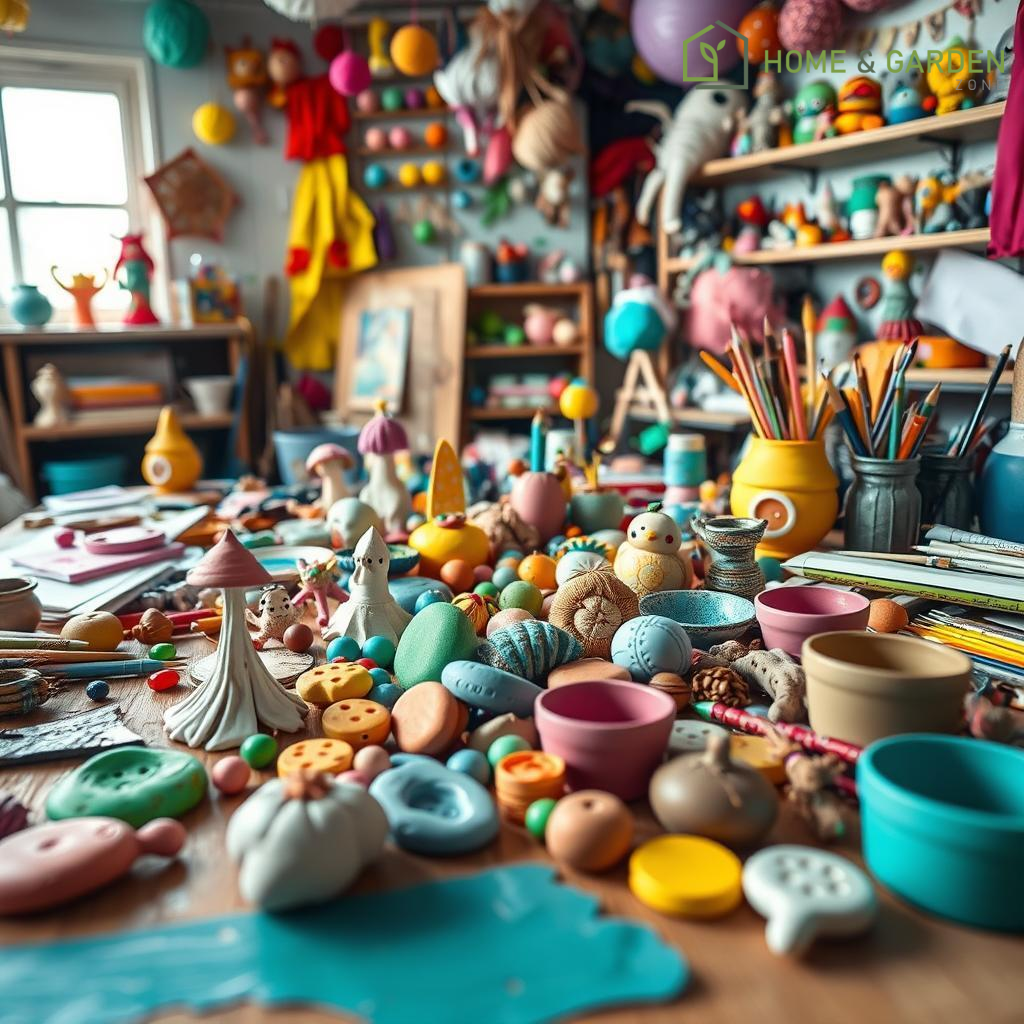
Access to age-appropriate tools and materials is fundamental. This doesn't necessitate expensive equipment; everyday items like cardboard, fabric scraps, basic tools, kitchen ingredients, or simple coding platforms can spark imagination. A designated "maker space," even a corner of a room, signals that creative exploration is valued.
2. Prioritize Process Over Product
The emphasis should be on the journey of discovery, not solely the perfection of the end result. Encourage experimentation, even if it leads to unexpected outcomes or "failures." Asking questions like, "What did you learn?" or "What might you try differently next time?" shifts the focus from a flawless finish to the learning experience itself.
3. Model Creative Engagement
Children are keen observers. When parents engage in their own creative pursuits—whether it's gardening, woodworking, baking, or fixing something around the house—it sends a powerful message that making is a valuable and enjoyable part of life. Shared projects can also deepen familial bonds.
4. Embrace Autonomy and Mess
Resist the urge to overly direct or "fix" children's projects. Allow them the space to make their own decisions and navigate challenges independently, even if it results in a bit of mess or a project that doesn't meet adult standards. True creativity thrives in an environment of freedom and self-direction.
Conclusion
Raising children who instinctively gravitate towards making things is more than just fostering a hobby; it’s about equipping them with fundamental life skills. The ability to innovate, solve problems, persist through challenges, and confidently bring ideas into being are invaluable assets in any future endeavor. By providing the right environment, encouragement, and a supportive mindset, parents can empower a generation of children ready to build, create, and shape the world around them.
Resources
- Make: Magazine: A primary resource for the global maker community, offering projects, ideas, and inspiration across various domains.
- Child Mind Institute: Provides expert information on child development and mental health, often covering the benefits of play and hands-on learning.
- MIT Media Lab, Lifelong Kindergarten Group: Researches how children learn through designing, creating, and inventing, offering insights into fostering creative thinking.
Details
Author



Latest articles


 }})
You can now watch HBO Max for $10
It’s lunchtime as I write this, and my daughter Lizzy is meticulously assembling a homemade lasagna. Not merely assisting, but genuinely crafting it from scratch. Nearby, her brother Peter sulks, lamenting that it was, by his count, his turn at the stove this weekend. These two now fiercely debate who gets to cook, a scene strikingly different from the squabbles over screen time or toys that define many contemporary households.
Their enthusiastic embrace of practical creation exemplifies a profound shift in developmental parenting—a deliberate cultivation of the "maker mindset." In an increasingly digital world, the allure of tangible creation offers children not just a diversion, but a crucial pathway to critical thinking, resilience, and a deep sense of accomplishment.
The Profound Benefits of Hands-On Creation
Engaging in activities that require building, cooking, coding, or designing offers multifaceted advantages for a child’s development:
- Cognitive Agility: From calculating ingredients to troubleshooting a malfunctioning toy, making tasks demand problem-solving, logical sequencing, and spatial reasoning. Children learn to deconstruct challenges and devise creative solutions.
- Enhanced Motor Skills: Fine motor control is honed through tasks like kneading dough, wiring circuits, or intricate crafting, while gross motor skills benefit from larger construction projects.
- Emotional Resilience: The process of creation inherently involves trial and error. Projects rarely succeed on the first attempt, teaching children the invaluable lessons of patience, persistence, and adapting to setbacks. This iterative process builds grit.
- Boosted Self-Efficacy: Successfully completing a project, no matter how small, instills a powerful sense of accomplishment and competence. Children realize they are capable of bringing ideas to fruition, fostering confidence and independence.
- Curiosity and Exploration: A maker environment encourages children to ask "how does this work?" and "what if I try this?", fostering innate curiosity and a lifelong love for learning and discovery.
Strategies for Cultivating a Maker Mindset
For parents observing children like Lizzy and Peter, the question often becomes: how can this enthusiasm be intentionally nurtured?
1. Provide the Right Environment and Resources
Access to age-appropriate tools and materials is fundamental. This doesn't necessitate expensive equipment; everyday items like cardboard, fabric scraps, basic tools, kitchen ingredients, or simple coding platforms can spark imagination. A designated "maker space," even a corner of a room, signals that creative exploration is valued.
2. Prioritize Process Over Product
The emphasis should be on the journey of discovery, not solely the perfection of the end result. Encourage experimentation, even if it leads to unexpected outcomes or "failures." Asking questions like, "What did you learn?" or "What might you try differently next time?" shifts the focus from a flawless finish to the learning experience itself.
3. Model Creative Engagement
Children are keen observers. When parents engage in their own creative pursuits—whether it's gardening, woodworking, baking, or fixing something around the house—it sends a powerful message that making is a valuable and enjoyable part of life. Shared projects can also deepen familial bonds.
4. Embrace Autonomy and Mess
Resist the urge to overly direct or "fix" children's projects. Allow them the space to make their own decisions and navigate challenges independently, even if it results in a bit of mess or a project that doesn't meet adult standards. True creativity thrives in an environment of freedom and self-direction.
Conclusion
Raising children who instinctively gravitate towards making things is more than just fostering a hobby; it’s about equipping them with fundamental life skills. The ability to innovate, solve problems, persist through challenges, and confidently bring ideas into being are invaluable assets in any future endeavor. By providing the right environment, encouragement, and a supportive mindset, parents can empower a generation of children ready to build, create, and shape the world around them.
Resources
- Make: Magazine: A primary resource for the global maker community, offering projects, ideas, and inspiration across various domains.
- Child Mind Institute: Provides expert information on child development and mental health, often covering the benefits of play and hands-on learning.
- MIT Media Lab, Lifelong Kindergarten Group: Researches how children learn through designing, creating, and inventing, offering insights into fostering creative thinking.
Latest articles
You can now watch HBO Max for $10
Similar posts


This is a page that only logged-in people can visit. Don't you feel special? Try clicking on a button below to do some things you can't do when you're logged out.
Example modal
At your leisure, please peruse this excerpt from a whale of a tale.
Chapter 1: Loomings.
Call me Ishmael. Some years ago—never mind how long precisely—having little or no money in my purse, and nothing particular to interest me on shore, I thought I would sail about a little and see the watery part of the world. It is a way I have of driving off the spleen and regulating the circulation. Whenever I find myself growing grim about the mouth; whenever it is a damp, drizzly November in my soul; whenever I find myself involuntarily pausing before coffin warehouses, and bringing up the rear of every funeral I meet; and especially whenever my hypos get such an upper hand of me, that it requires a strong moral principle to prevent me from deliberately stepping into the street, and methodically knocking people's hats off—then, I account it high time to get to sea as soon as I can. This is my substitute for pistol and ball. With a philosophical flourish Cato throws himself upon his sword; I quietly take to the ship. There is nothing surprising in this. If they but knew it, almost all men in their degree, some time or other, cherish very nearly the same feelings towards the ocean with me.
Comment