Historic Haus W Reimagined: Schneiders Infuse Alpine Lodge with Modern Woodcraft and Local Artistry
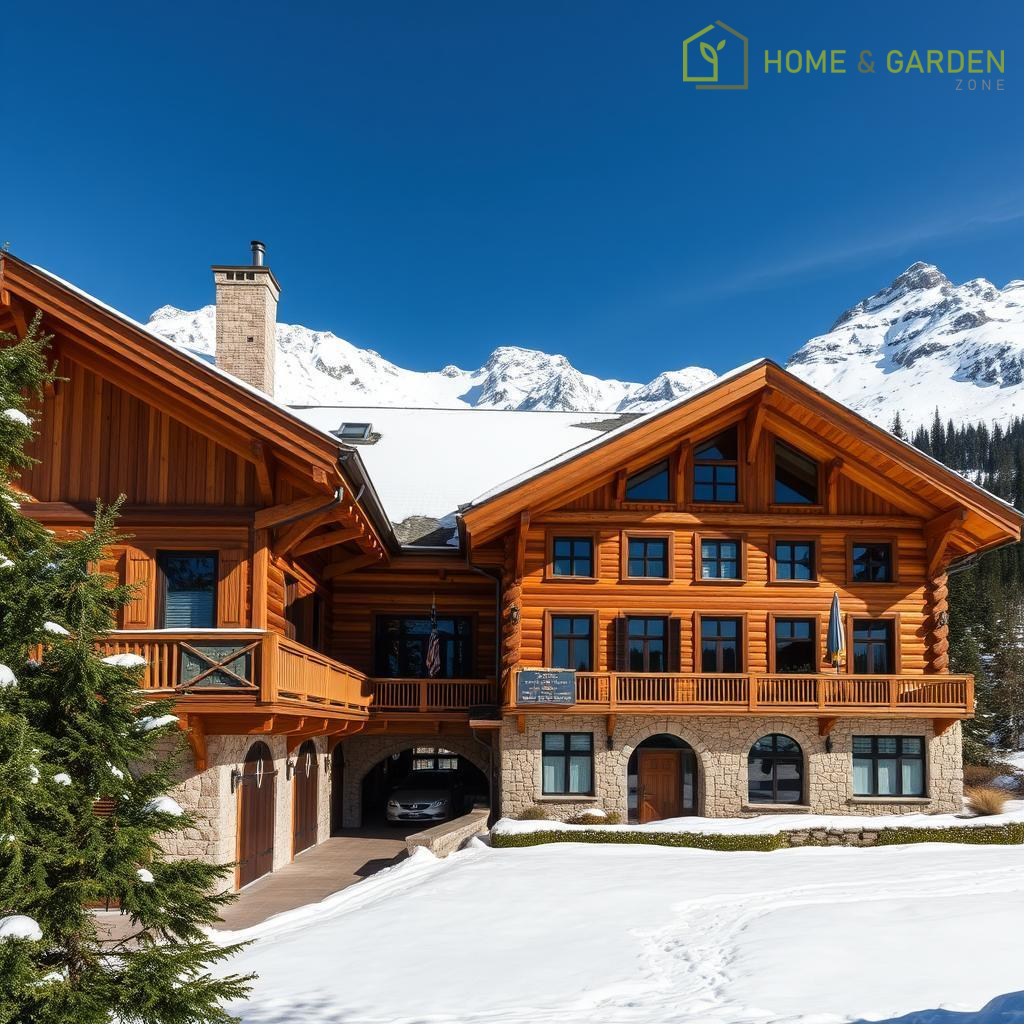
A Symphony of History and Modernity in the Austrian Alps
In the heart of Austria's picturesque Alpine Lech region, hoteliers Gerold and Katia Schneider have meticulously breathed new life into Haus W, a venerable Walser house dating back to 1609. This ambitious transformation has culminated in a distinctive wood-clad boutique hotel that harmoniously blends centuries-old structural integrity with contemporary design principles and a deep respect for local heritage.
Reimagining a Legacy
The Schneiders' vision for Haus W was not merely a renovation but a sensitive reconstruction, focusing on preserving the building's historical essence while adapting it for modern hospitality. Key to this approach was the extensive use of untreated spruce, a material chosen for its authenticity, sustainability, and ability to age gracefully within the Alpine environment. This natural timber forms the backbone of the reconstructed sections, providing a warm, inviting aesthetic that resonates with the surrounding landscape.
Craftsmanship at its Core
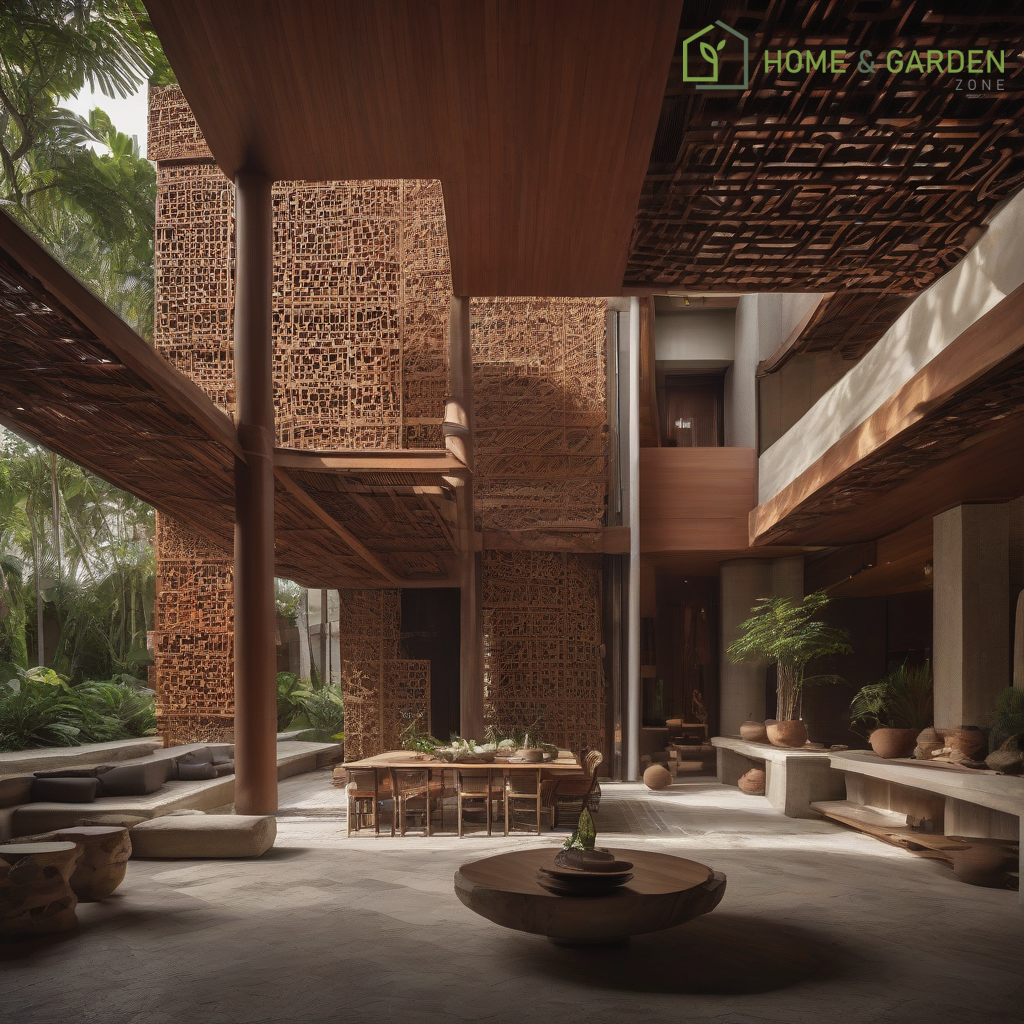
The interior of Haus W stands as a testament to bespoke design and local artistry. Every element, from custom-crafted furniture to intricate interior details, has been conceived and executed by skilled craftspeople from the region. This commitment to local talent not only supports the community but also imbues the hotel with a unique character, reflecting the rich artisanal traditions of the Lech Valley. A particularly striking feature is the gridded wooden screen, which serves both a functional and aesthetic purpose, adding texture and visual interest while subtly defining spaces.
Architectural Dialogue
The transformation of Haus W represents a compelling dialogue between past and present. The building's original 17th-century structure, a classic Walser house known for its robust construction, has been thoughtfully integrated with the new additions. The untreated spruce cladding and contemporary interventions respectfully complement the historic fabric, creating a coherent architectural narrative that feels both timeless and forward-looking. This project underscores a growing trend in hospitality: the desire to offer guests an experience that is deeply rooted in place, history, and sustainable practices.
Summary
Gerold and Katia Schneider's revitalization of Haus W in Zug, Austria, is a masterful example of how historic Alpine architecture can be respectfully updated for contemporary use. By prioritizing untreated spruce, bespoke local craftsmanship, and thoughtful design, they have created a boutique hotel that celebrates its 17th-century origins while offering a unique, luxurious experience deeply connected to its Alpine surroundings. The project serves as an inspiration for sustainable and culturally sensitive development within historic contexts.
Resources
Details
Author


Latest articles

 }})
You can now watch HBO Max for $10
A Symphony of History and Modernity in the Austrian Alps
In the heart of Austria's picturesque Alpine Lech region, hoteliers Gerold and Katia Schneider have meticulously breathed new life into Haus W, a venerable Walser house dating back to 1609. This ambitious transformation has culminated in a distinctive wood-clad boutique hotel that harmoniously blends centuries-old structural integrity with contemporary design principles and a deep respect for local heritage.
Reimagining a Legacy
The Schneiders' vision for Haus W was not merely a renovation but a sensitive reconstruction, focusing on preserving the building's historical essence while adapting it for modern hospitality. Key to this approach was the extensive use of untreated spruce, a material chosen for its authenticity, sustainability, and ability to age gracefully within the Alpine environment. This natural timber forms the backbone of the reconstructed sections, providing a warm, inviting aesthetic that resonates with the surrounding landscape.
Craftsmanship at its Core
The interior of Haus W stands as a testament to bespoke design and local artistry. Every element, from custom-crafted furniture to intricate interior details, has been conceived and executed by skilled craftspeople from the region. This commitment to local talent not only supports the community but also imbues the hotel with a unique character, reflecting the rich artisanal traditions of the Lech Valley. A particularly striking feature is the gridded wooden screen, which serves both a functional and aesthetic purpose, adding texture and visual interest while subtly defining spaces.
Architectural Dialogue
The transformation of Haus W represents a compelling dialogue between past and present. The building's original 17th-century structure, a classic Walser house known for its robust construction, has been thoughtfully integrated with the new additions. The untreated spruce cladding and contemporary interventions respectfully complement the historic fabric, creating a coherent architectural narrative that feels both timeless and forward-looking. This project underscores a growing trend in hospitality: the desire to offer guests an experience that is deeply rooted in place, history, and sustainable practices.
Summary
Gerold and Katia Schneider's revitalization of Haus W in Zug, Austria, is a masterful example of how historic Alpine architecture can be respectfully updated for contemporary use. By prioritizing untreated spruce, bespoke local craftsmanship, and thoughtful design, they have created a boutique hotel that celebrates its 17th-century origins while offering a unique, luxurious experience deeply connected to its Alpine surroundings. The project serves as an inspiration for sustainable and culturally sensitive development within historic contexts.
Resources
Latest articles
You can now watch HBO Max for $10
Similar posts

This is a page that only logged-in people can visit. Don't you feel special? Try clicking on a button below to do some things you can't do when you're logged out.
Example modal
At your leisure, please peruse this excerpt from a whale of a tale.
Chapter 1: Loomings.
Call me Ishmael. Some years ago—never mind how long precisely—having little or no money in my purse, and nothing particular to interest me on shore, I thought I would sail about a little and see the watery part of the world. It is a way I have of driving off the spleen and regulating the circulation. Whenever I find myself growing grim about the mouth; whenever it is a damp, drizzly November in my soul; whenever I find myself involuntarily pausing before coffin warehouses, and bringing up the rear of every funeral I meet; and especially whenever my hypos get such an upper hand of me, that it requires a strong moral principle to prevent me from deliberately stepping into the street, and methodically knocking people's hats off—then, I account it high time to get to sea as soon as I can. This is my substitute for pistol and ball. With a philosophical flourish Cato throws himself upon his sword; I quietly take to the ship. There is nothing surprising in this. If they but knew it, almost all men in their degree, some time or other, cherish very nearly the same feelings towards the ocean with me.
Comment