Designing for the Brain: The Imperative of Neuroaesthetics in Interior Environments
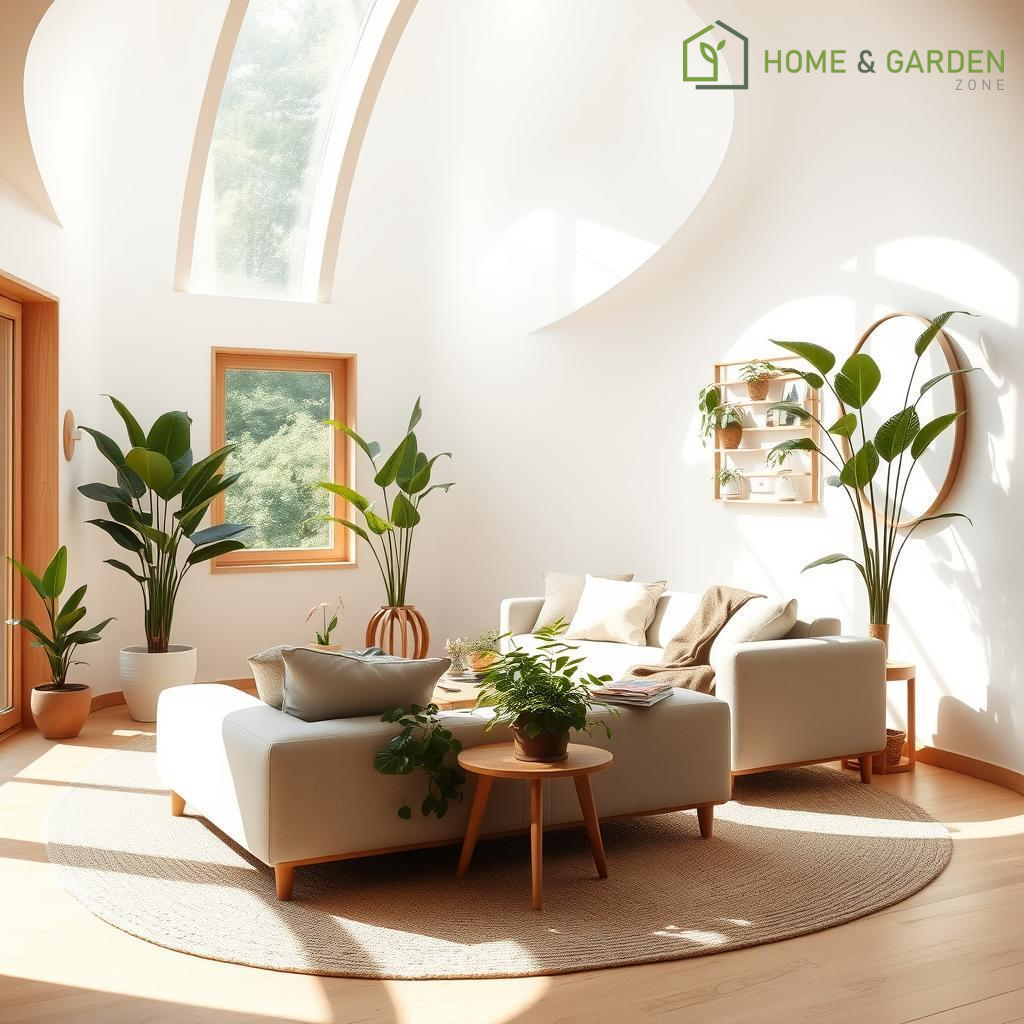
The Dawn of Neuroarchitecture: Designing Beyond Aesthetics
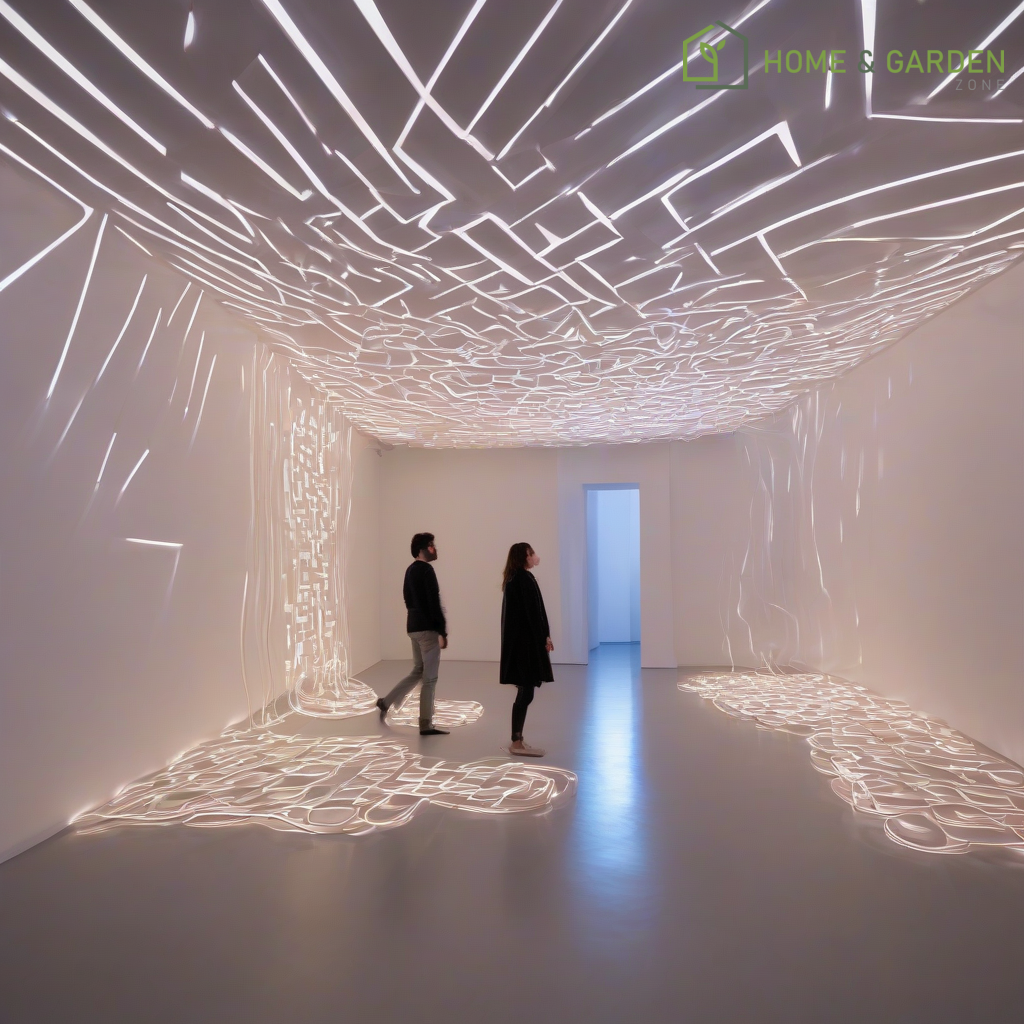
For centuries, the field of interior design has evolved, driven by shifting cultural tastes, functional demands, and artistic expressions. Yet, a growing body of scientific inquiry suggests that our environments influence us far more profoundly than mere visual appeal. This understanding is catalyzing a paradigm shift, championing a design philosophy rooted in neuroaesthetics—the scientific study of how aesthetic experiences impact the brain. At the forefront of this movement, the Johns Hopkins University International Arts + Mind Lab has issued a compelling call for the establishment of a dedicated "Neuroarchitecture sector," signaling a new era where design intentionally optimizes human well-being and cognitive function.
Understanding Neuroaesthetics in Built Spaces
Neuroaesthetics explores the neurological underpinnings of our perception and appreciation of art and beauty. When applied to the built environment, it moves beyond subjective preference, investigating how elements like light, color, texture, spatial layout, and natural elements evoke specific physiological and psychological responses. Researchers leverage neuroimaging techniques and physiological markers to understand how our brains react to different design interventions, revealing the tangible effects on mood, stress levels, cognitive performance, and even physical health.
The core premise is that our brains are constantly processing environmental cues, often unconsciously. A poorly designed space can trigger stress, reduce focus, or induce feelings of confinement. Conversely, an environment conceived with neuroaesthetics in mind can foster calm, enhance creativity, improve learning, and facilitate social interaction.
Johns Hopkins' Vision: A New Interdisciplinary Frontier
The report from Johns Hopkins University's International Arts + Mind Lab highlights the urgent need for a cohesive, interdisciplinary approach to design that integrates insights from neuroscience, psychology, architecture, and interior design. This proposed Neuroarchitecture sector would serve as a vital bridge, translating complex scientific data into actionable design principles. The vision extends beyond individual projects, aiming to establish evidence-based guidelines and practices that can be universally applied, from hospitals and schools to workplaces and residential homes.
The lab emphasizes that this is not merely an academic exercise but a practical imperative. As urban populations grow and digital engagement intensifies, the quality of our immediate physical surroundings becomes ever more critical for maintaining mental equilibrium and societal health. Neuroarchitecture offers a framework for designing spaces that actively support human flourishing.
Key Principles of Neuroaesthetic Interior Design:
- Biophilic Design: Integrating natural elements, views of nature, natural light, and organic patterns. Studies consistently show that exposure to nature reduces stress, improves cognitive function, and accelerates healing.
- Optimized Lighting: Harnessing natural daylighting and dynamic artificial lighting to align with circadian rhythms, enhancing alertness during the day and promoting restful sleep at night.
- Strategic Color Psychology: Utilizing colors informed by their known psychological effects—e.g., cool tones for calm, warm tones for energy and sociability—while considering cultural nuances and individual preferences.
- Acoustic Comfort: Managing sound to reduce disruptive noise and create environments conducive to concentration or relaxation, depending on the space's function.
- Spatial Configuration: Designing layouts that promote wayfinding, provide opportunities for both social interaction and privacy, and create a sense of safety and openness.
- Sensory Richness: Incorporating varied textures, aromas, and tactile experiences to engage multiple senses positively, avoiding sensory deprivation or overload.
The Tangible Impact: From Well-being to Productivity
The applications of neuroaesthetics in interior design are vast and impactful. In healthcare settings, neuroaesthetically informed design can reduce patient anxiety, decrease reliance on pain medication, and shorten recovery times. In educational environments, it can improve focus, reduce behavioral issues, and enhance learning outcomes. Corporate offices can leverage these principles to boost employee productivity, creativity, and overall job satisfaction, leading to a healthier and more engaged workforce. Even in residential design, creating homes that resonate positively with the brain can foster greater peace, comfort, and personal growth.
Summary
The argument for interior design with neuroaesthetics in mind is no longer a philosophical musing but a scientific imperative. Propelled by institutions like Johns Hopkins University, the concept of Neuroarchitecture is set to revolutionize how we conceive and construct our built environments. By consciously integrating insights from neuroscience into design practices, we can move beyond mere aesthetics to create spaces that actively nurture the human brain, fostering health, happiness, and optimal performance for all who inhabit them. This emerging field promises not just beautiful spaces, but truly beneficial ones.
Resources
Details
Author


Latest articles



 }})
You can now watch HBO Max for $10
The Dawn of Neuroarchitecture: Designing Beyond Aesthetics
For centuries, the field of interior design has evolved, driven by shifting cultural tastes, functional demands, and artistic expressions. Yet, a growing body of scientific inquiry suggests that our environments influence us far more profoundly than mere visual appeal. This understanding is catalyzing a paradigm shift, championing a design philosophy rooted in neuroaesthetics—the scientific study of how aesthetic experiences impact the brain. At the forefront of this movement, the Johns Hopkins University International Arts + Mind Lab has issued a compelling call for the establishment of a dedicated "Neuroarchitecture sector," signaling a new era where design intentionally optimizes human well-being and cognitive function.
Understanding Neuroaesthetics in Built Spaces
Neuroaesthetics explores the neurological underpinnings of our perception and appreciation of art and beauty. When applied to the built environment, it moves beyond subjective preference, investigating how elements like light, color, texture, spatial layout, and natural elements evoke specific physiological and psychological responses. Researchers leverage neuroimaging techniques and physiological markers to understand how our brains react to different design interventions, revealing the tangible effects on mood, stress levels, cognitive performance, and even physical health.
The core premise is that our brains are constantly processing environmental cues, often unconsciously. A poorly designed space can trigger stress, reduce focus, or induce feelings of confinement. Conversely, an environment conceived with neuroaesthetics in mind can foster calm, enhance creativity, improve learning, and facilitate social interaction.
Johns Hopkins' Vision: A New Interdisciplinary Frontier
The report from Johns Hopkins University's International Arts + Mind Lab highlights the urgent need for a cohesive, interdisciplinary approach to design that integrates insights from neuroscience, psychology, architecture, and interior design. This proposed Neuroarchitecture sector would serve as a vital bridge, translating complex scientific data into actionable design principles. The vision extends beyond individual projects, aiming to establish evidence-based guidelines and practices that can be universally applied, from hospitals and schools to workplaces and residential homes.
The lab emphasizes that this is not merely an academic exercise but a practical imperative. As urban populations grow and digital engagement intensifies, the quality of our immediate physical surroundings becomes ever more critical for maintaining mental equilibrium and societal health. Neuroarchitecture offers a framework for designing spaces that actively support human flourishing.
Key Principles of Neuroaesthetic Interior Design:
- Biophilic Design: Integrating natural elements, views of nature, natural light, and organic patterns. Studies consistently show that exposure to nature reduces stress, improves cognitive function, and accelerates healing.
- Optimized Lighting: Harnessing natural daylighting and dynamic artificial lighting to align with circadian rhythms, enhancing alertness during the day and promoting restful sleep at night.
- Strategic Color Psychology: Utilizing colors informed by their known psychological effects—e.g., cool tones for calm, warm tones for energy and sociability—while considering cultural nuances and individual preferences.
- Acoustic Comfort: Managing sound to reduce disruptive noise and create environments conducive to concentration or relaxation, depending on the space's function.
- Spatial Configuration: Designing layouts that promote wayfinding, provide opportunities for both social interaction and privacy, and create a sense of safety and openness.
- Sensory Richness: Incorporating varied textures, aromas, and tactile experiences to engage multiple senses positively, avoiding sensory deprivation or overload.
The Tangible Impact: From Well-being to Productivity
The applications of neuroaesthetics in interior design are vast and impactful. In healthcare settings, neuroaesthetically informed design can reduce patient anxiety, decrease reliance on pain medication, and shorten recovery times. In educational environments, it can improve focus, reduce behavioral issues, and enhance learning outcomes. Corporate offices can leverage these principles to boost employee productivity, creativity, and overall job satisfaction, leading to a healthier and more engaged workforce. Even in residential design, creating homes that resonate positively with the brain can foster greater peace, comfort, and personal growth.
Summary
The argument for interior design with neuroaesthetics in mind is no longer a philosophical musing but a scientific imperative. Propelled by institutions like Johns Hopkins University, the concept of Neuroarchitecture is set to revolutionize how we conceive and construct our built environments. By consciously integrating insights from neuroscience into design practices, we can move beyond mere aesthetics to create spaces that actively nurture the human brain, fostering health, happiness, and optimal performance for all who inhabit them. This emerging field promises not just beautiful spaces, but truly beneficial ones.
Resources
Latest articles
You can now watch HBO Max for $10
Similar posts


This is a page that only logged-in people can visit. Don't you feel special? Try clicking on a button below to do some things you can't do when you're logged out.
Example modal
At your leisure, please peruse this excerpt from a whale of a tale.
Chapter 1: Loomings.
Call me Ishmael. Some years ago—never mind how long precisely—having little or no money in my purse, and nothing particular to interest me on shore, I thought I would sail about a little and see the watery part of the world. It is a way I have of driving off the spleen and regulating the circulation. Whenever I find myself growing grim about the mouth; whenever it is a damp, drizzly November in my soul; whenever I find myself involuntarily pausing before coffin warehouses, and bringing up the rear of every funeral I meet; and especially whenever my hypos get such an upper hand of me, that it requires a strong moral principle to prevent me from deliberately stepping into the street, and methodically knocking people's hats off—then, I account it high time to get to sea as soon as I can. This is my substitute for pistol and ball. With a philosophical flourish Cato throws himself upon his sword; I quietly take to the ship. There is nothing surprising in this. If they but knew it, almost all men in their degree, some time or other, cherish very nearly the same feelings towards the ocean with me.
Comment