The Günter Restaurant: Parisian Flair Transforms a Nondescript Vienna Hotel Eatery
A Culinary Metamorphosis in Vienna
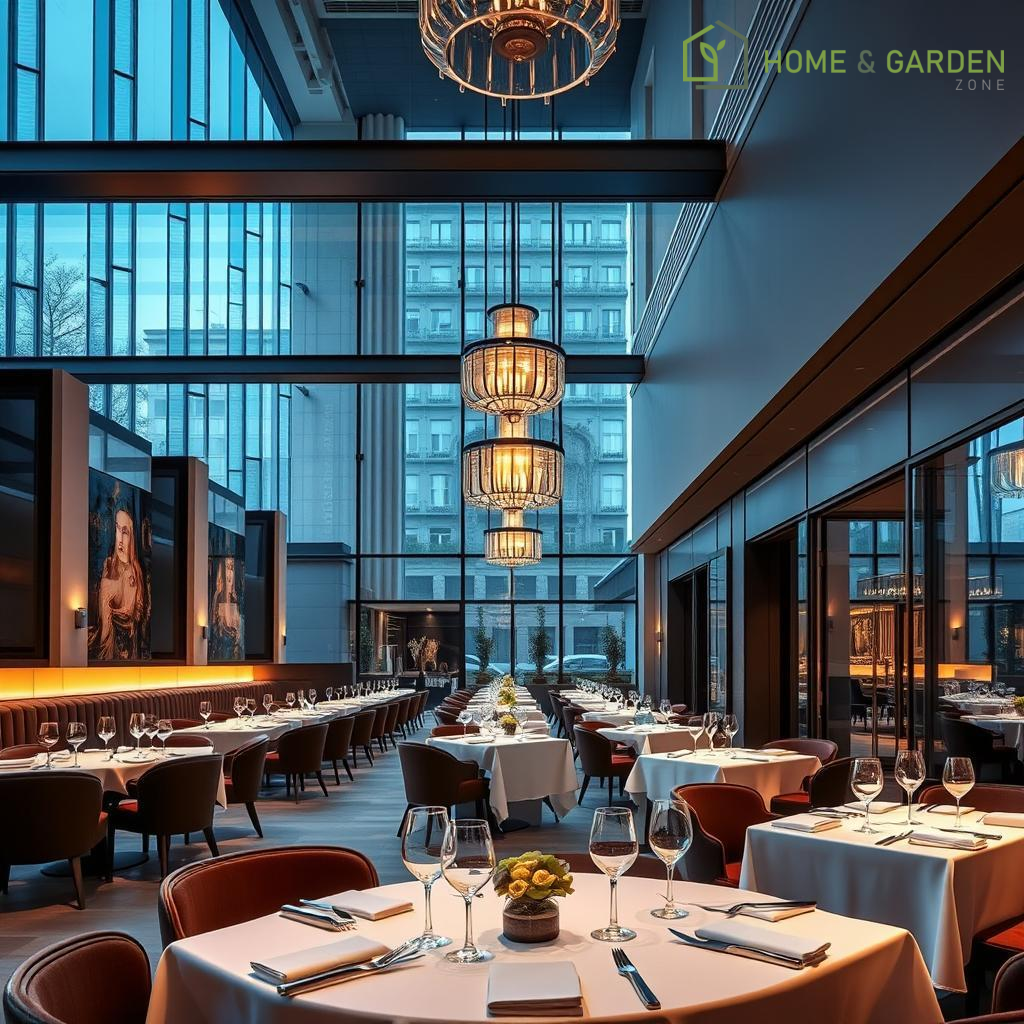
Vienna's culinary landscape has witnessed a remarkable transformation with the emergence of The Günter Restaurant, a sophisticated establishment that has shed the anonymity of its former life within a chain hotel. Far from the generic aesthetic often associated with such locales, The Günter now stands as a testament to thoughtful design, courtesy of the Parisian interiors firm Atelier OLK.
Atelier OLK's Vision: History Meets Contemporary Flexibility
The rehabilitation of the ground floor space by Atelier OLK is a masterclass in reinterpretation. The design brief called for an environment that respected the building's historical context while embracing contemporary demands for flexibility and modern appeal. The firm achieved this delicate balance by incorporating design elements that subtly nod to Viennese architectural heritage, perhaps through materials, textures, or a refined color palette, while introducing furnishings and spatial arrangements that cater to a diverse clientele and varying dining experiences.
Key to Atelier OLK's approach was the creation of distinct yet cohesive zones within the restaurant, allowing for both intimate dining and more vibrant social gatherings. This flexibility is crucial for a modern urban eatery, enabling it to transition seamlessly from a breakfast spot to a refined dinner destination. The use of natural light, curated lighting fixtures, and bespoke furniture pieces are instrumental in crafting an atmosphere that feels both luxurious and inviting, distancing The Günter significantly from its "nondescript chain hotel" origins.
From Oblivion to Destination: The Power of Design
The narrative of The Günter is a compelling illustration of how strategic interior design can elevate a space from overlooked to iconic. By investing in a vision that prioritizes aesthetic sophistication and functional versatility, the restaurant has carved out a unique identity, positioning itself as a destination rather than merely a convenience for hotel guests. This shift underscores a broader trend in hospitality, where F&B outlets within hotels are increasingly designed to attract local patrons and stand alone as culinary attractions.
Summary
The Günter Restaurant in Vienna represents a successful architectural and design intervention by Atelier OLK. By meticulously blending historical references with contemporary design principles and functional flexibility, the Parisian firm has transformed a formerly nondescript hotel dining area into a distinguished and inviting culinary destination. This project highlights the profound impact of thoughtful design in creating spaces that resonate with both heritage and modern sensibility, ultimately redefining the perception and purpose of a hotel restaurant.
Resources
Details
Author



Latest articles

 }})
You can now watch HBO Max for $10
A Culinary Metamorphosis in Vienna
Vienna's culinary landscape has witnessed a remarkable transformation with the emergence of The Günter Restaurant, a sophisticated establishment that has shed the anonymity of its former life within a chain hotel. Far from the generic aesthetic often associated with such locales, The Günter now stands as a testament to thoughtful design, courtesy of the Parisian interiors firm Atelier OLK.
Atelier OLK's Vision: History Meets Contemporary Flexibility
The rehabilitation of the ground floor space by Atelier OLK is a masterclass in reinterpretation. The design brief called for an environment that respected the building's historical context while embracing contemporary demands for flexibility and modern appeal. The firm achieved this delicate balance by incorporating design elements that subtly nod to Viennese architectural heritage, perhaps through materials, textures, or a refined color palette, while introducing furnishings and spatial arrangements that cater to a diverse clientele and varying dining experiences.
Key to Atelier OLK's approach was the creation of distinct yet cohesive zones within the restaurant, allowing for both intimate dining and more vibrant social gatherings. This flexibility is crucial for a modern urban eatery, enabling it to transition seamlessly from a breakfast spot to a refined dinner destination. The use of natural light, curated lighting fixtures, and bespoke furniture pieces are instrumental in crafting an atmosphere that feels both luxurious and inviting, distancing The Günter significantly from its "nondescript chain hotel" origins.
From Oblivion to Destination: The Power of Design
The narrative of The Günter is a compelling illustration of how strategic interior design can elevate a space from overlooked to iconic. By investing in a vision that prioritizes aesthetic sophistication and functional versatility, the restaurant has carved out a unique identity, positioning itself as a destination rather than merely a convenience for hotel guests. This shift underscores a broader trend in hospitality, where F&B outlets within hotels are increasingly designed to attract local patrons and stand alone as culinary attractions.
Summary
The Günter Restaurant in Vienna represents a successful architectural and design intervention by Atelier OLK. By meticulously blending historical references with contemporary design principles and functional flexibility, the Parisian firm has transformed a formerly nondescript hotel dining area into a distinguished and inviting culinary destination. This project highlights the profound impact of thoughtful design in creating spaces that resonate with both heritage and modern sensibility, ultimately redefining the perception and purpose of a hotel restaurant.
Resources
Latest articles
You can now watch HBO Max for $10
Similar posts


This is a page that only logged-in people can visit. Don't you feel special? Try clicking on a button below to do some things you can't do when you're logged out.
Example modal
At your leisure, please peruse this excerpt from a whale of a tale.
Chapter 1: Loomings.
Call me Ishmael. Some years ago—never mind how long precisely—having little or no money in my purse, and nothing particular to interest me on shore, I thought I would sail about a little and see the watery part of the world. It is a way I have of driving off the spleen and regulating the circulation. Whenever I find myself growing grim about the mouth; whenever it is a damp, drizzly November in my soul; whenever I find myself involuntarily pausing before coffin warehouses, and bringing up the rear of every funeral I meet; and especially whenever my hypos get such an upper hand of me, that it requires a strong moral principle to prevent me from deliberately stepping into the street, and methodically knocking people's hats off—then, I account it high time to get to sea as soon as I can. This is my substitute for pistol and ball. With a philosophical flourish Cato throws himself upon his sword; I quietly take to the ship. There is nothing surprising in this. If they but knew it, almost all men in their degree, some time or other, cherish very nearly the same feelings towards the ocean with me.
Comment